
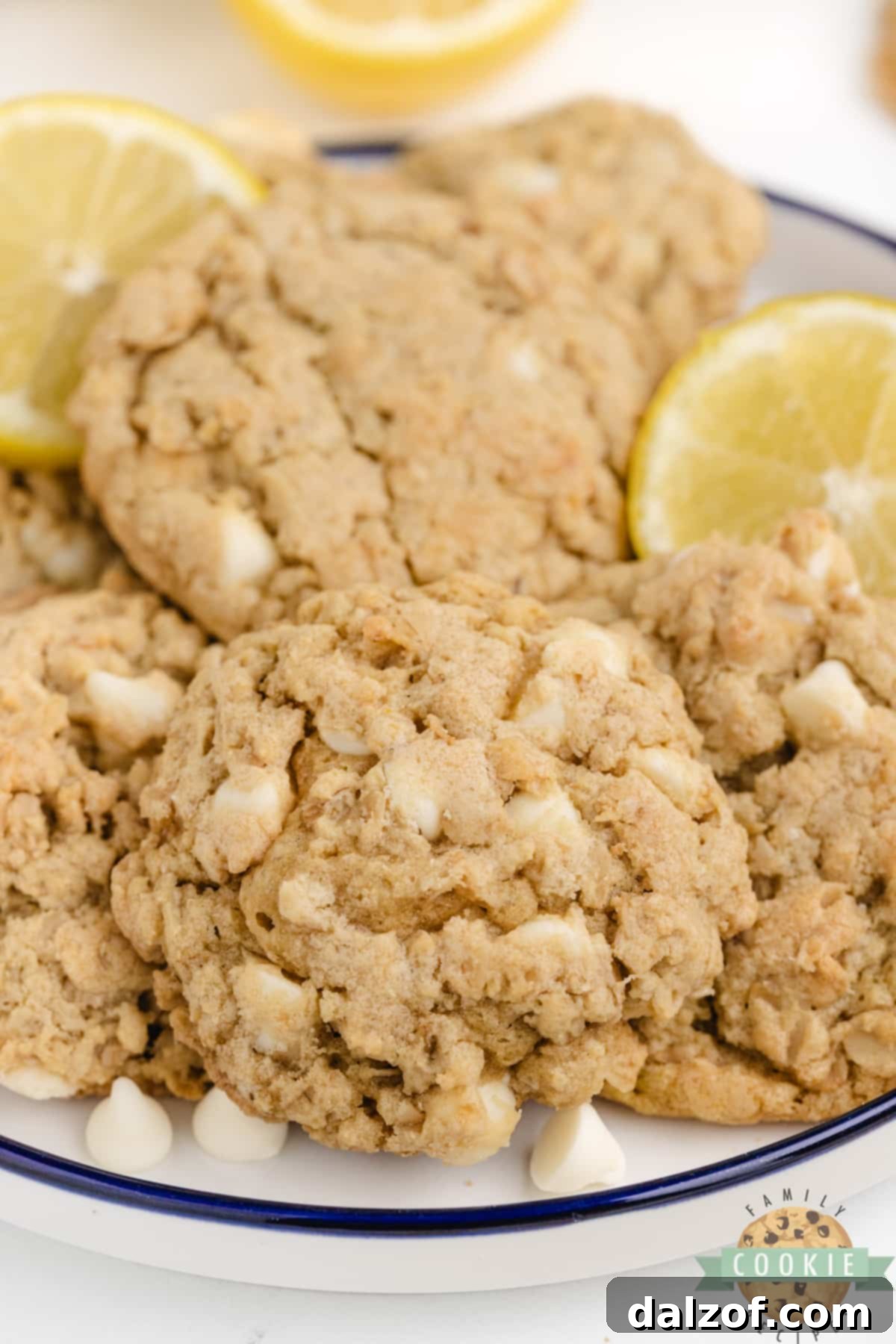
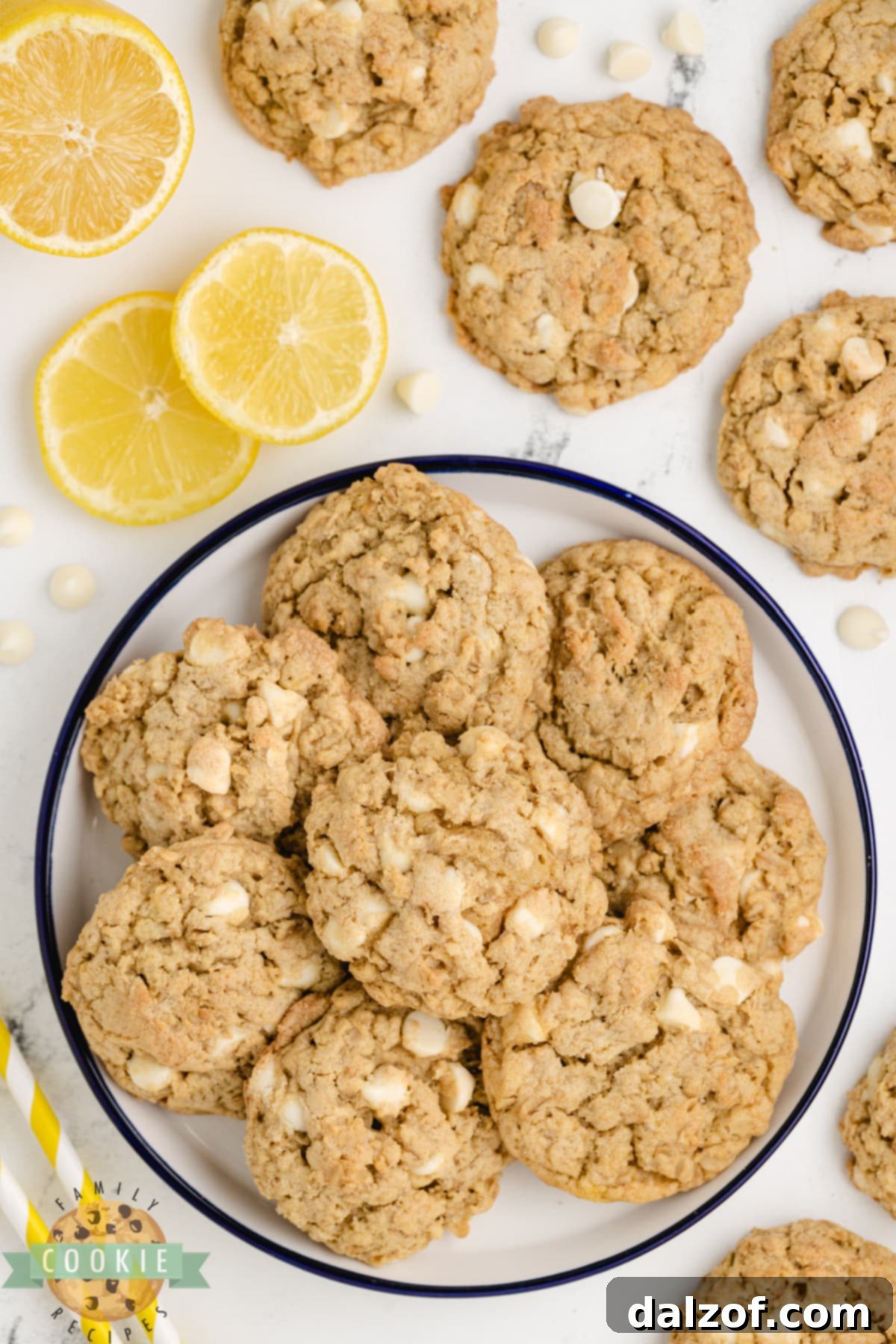
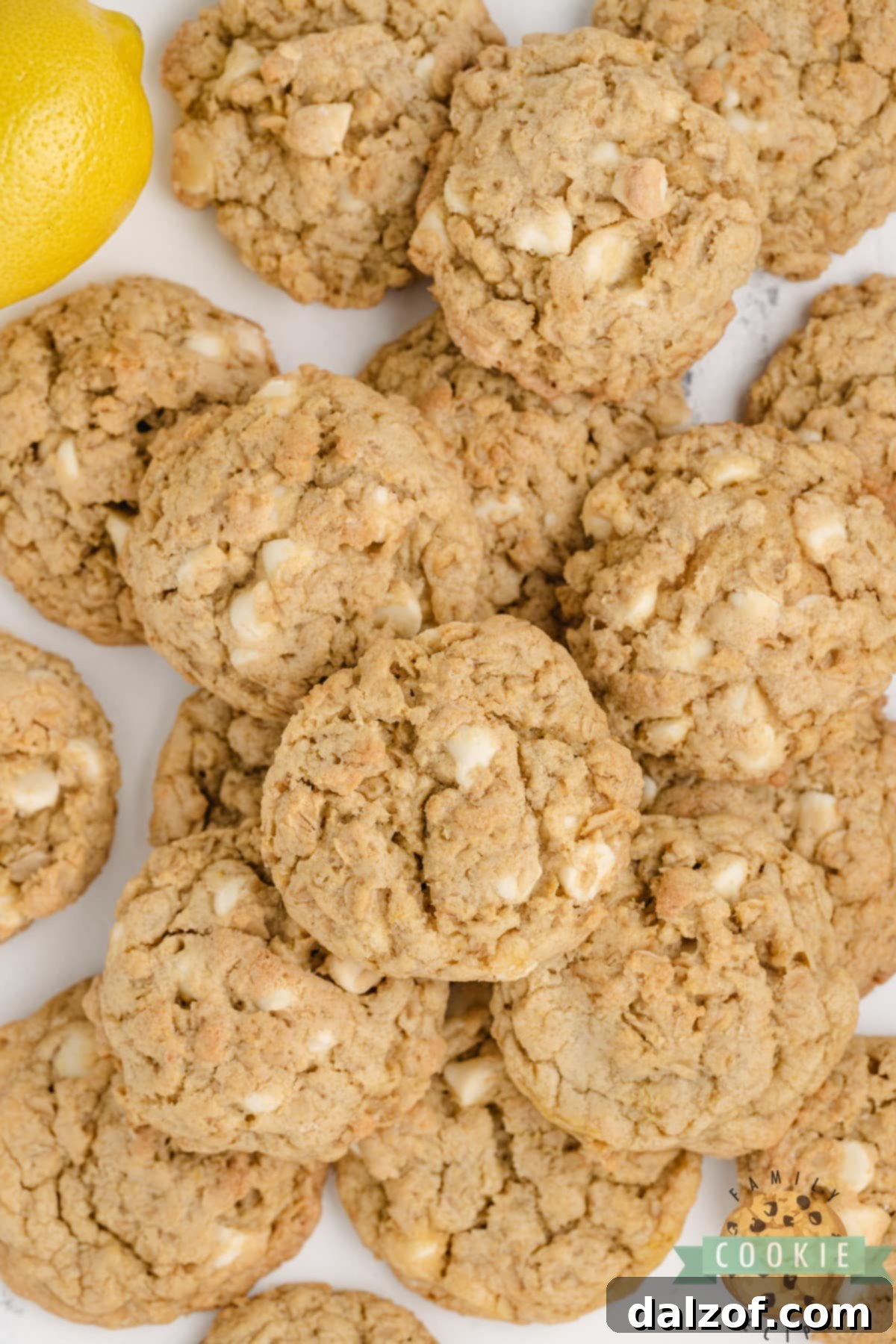
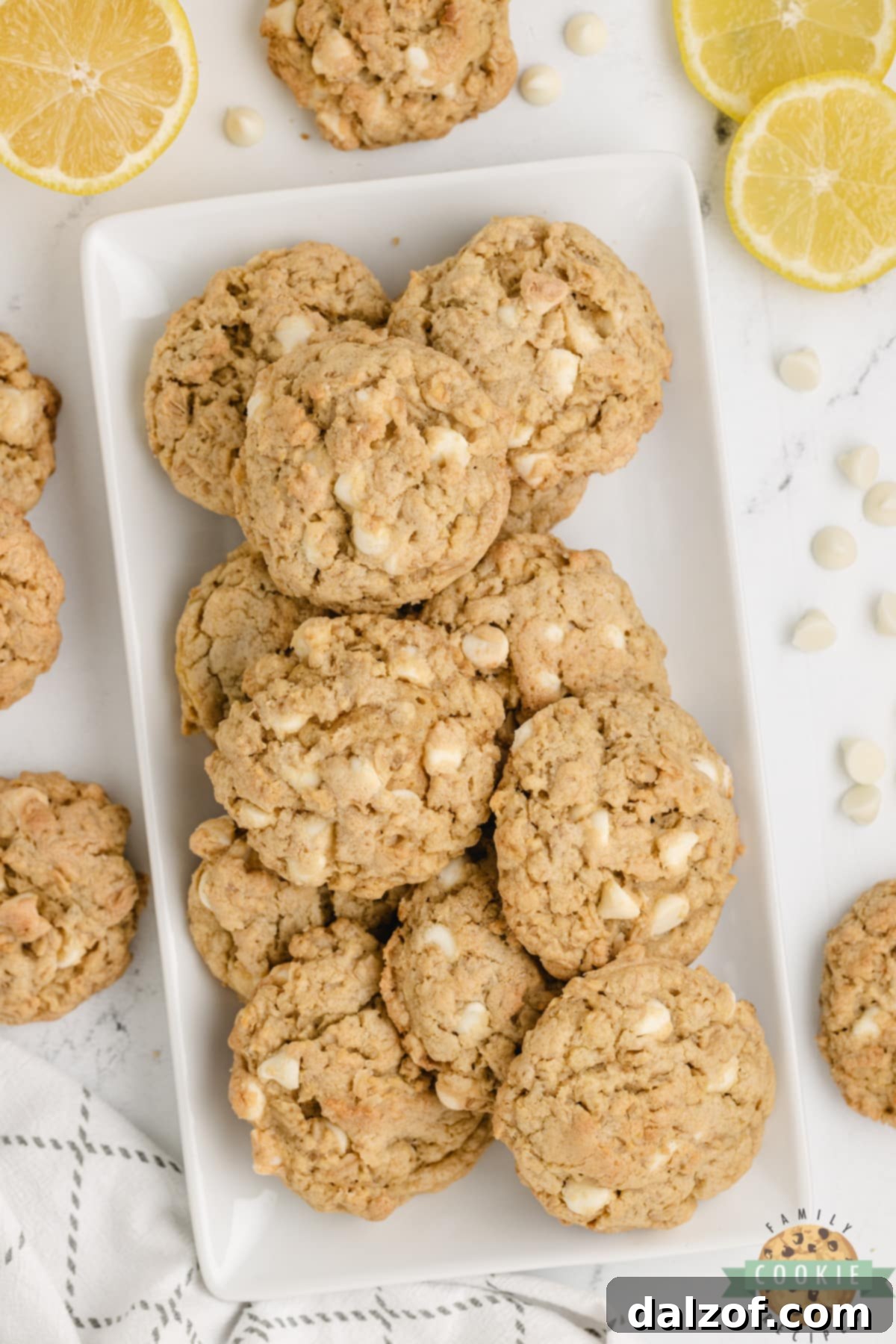
Welcome to a burst of sunshine in every bite! Our Lemon Oatmeal Cookies are an absolute dream, delivering a delightful blend of soft, chewy texture with a vibrant, zesty lemon flavor. Enhanced by the secret ingredient – lemon pudding mix – and studded with creamy white chocolate chips, this recipe redefines the classic oatmeal cookie. Prepare for an easy oatmeal cookie recipe that promises a generous infusion of invigorating lemon, perfect for any occasion.
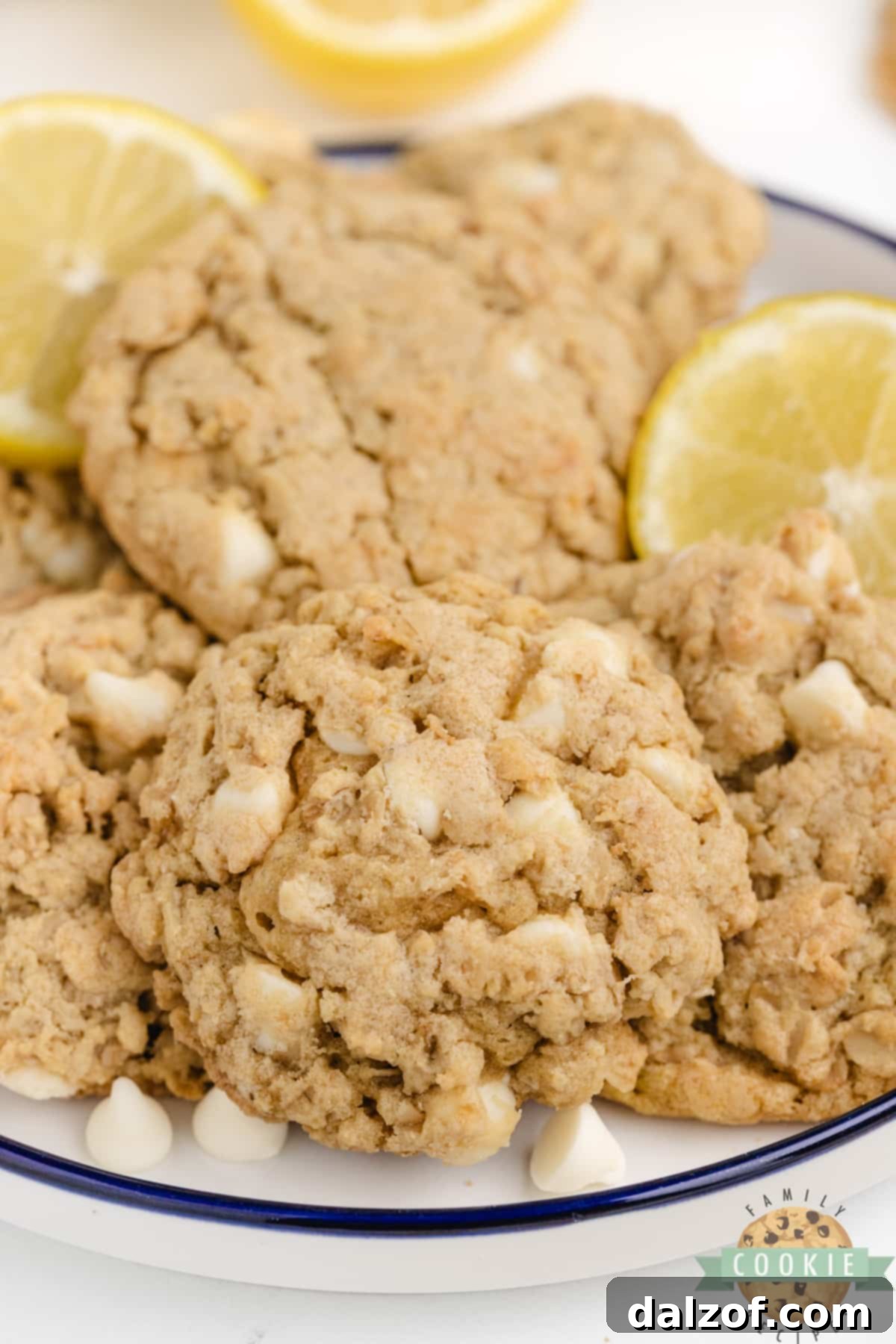
Oatmeal cookies have always held a special place in my heart – a true comfort food. However, my culinary curiosity often leads me to explore new and exciting variations. Lately, I’ve been captivated by the bright, uplifting essence of lemon in my baking. This passion naturally inspired me to infuse that incredible lemon flavor into my beloved oatmeal cookie base. The idea of incorporating pudding mix, a technique I adore for achieving an exceptionally soft and moist crumb, made the addition of lemon pudding a clear winner. The outcome? These cookies surpassed all expectations, delivering a chewy texture, undeniable lemon zest, and a comforting sweetness that will have you reaching for more.

Unlocking the Secrets to the Best Oatmeal Cookies
Achieving bakery-quality oatmeal cookies at home is a rewarding experience, and over years of baking, I’ve gathered several essential tips that elevate a good cookie to a truly exceptional one. These fundamental techniques apply universally to most oatmeal cookie recipes, ensuring consistently perfect results every time.
- Proper Flour Measurement and Consistency: The amount of flour in your dough is critical. If your cookie dough feels overly sticky and slack, it likely needs a touch more flour. Too little flour can lead to cookies that spread excessively and become greasy. Conversely, too much flour will result in dry, crumbly cookies. Aim for a dough that is soft but firm enough to hold its shape without being stiff. Adding flour gradually and mixing until just combined is key to avoiding a tough texture.
- Creaming Butter and Sugars Thoroughly: This step is more than just mixing; it’s about incorporating air into your dough. Spend a dedicated 2-3 minutes creaming the softened butter with both granulated and brown sugars until the mixture is light, fluffy, and noticeably paler in color. This process creates tiny air pockets, which expand during baking, contributing to a softer, more tender cookie with a delightful chew. Don’t rush this crucial step!
- Preheat Your Oven Properly: A preheated oven is non-negotiable for consistent baking. Placing cookie dough into a hot oven ensures that the cookies begin to bake immediately and evenly. This rapid initial exposure to heat helps the edges set quickly, preventing excessive spreading and promoting a uniform texture throughout each cookie. Always give your oven ample time to reach the desired temperature.
- Embrace the Cookie Scoop: For perfectly uniform cookies, a cookie scoop is your best friend. Not only does it ensure all your cookies are the same size and shape, leading to even baking, but it also makes the process much quicker and cleaner. Consistent sizing means all cookies on the tray will be done at approximately the same time, avoiding burnt edges or underbaked centers.
- Utilize Parchment Paper or Silicone Baking Mats: Say goodbye to sticking and uneven browning! Lining your baking sheets with parchment paper or using a silicone baking mat provides a non-stick surface, making it incredibly easy to remove cookies without damage. These liners also help distribute heat more evenly, reducing the risk of scorched bottoms and ensuring your cookies slide right off the tray with their perfect shape intact.
- Avoid Overbaking at All Costs: This is arguably the most important tip for soft, chewy cookies. When I remove my oatmeal cookies from the oven, they often look slightly underbaked in the center. This is intentional and perfect! Cookies continue to bake for a few extra minutes on the hot baking sheet after they’re removed. Taking them out when they’re just set around the edges and still a little soft in the middle ensures they finish baking to a wonderfully chewy consistency, never dry or hard.
Selecting the Perfect Oats for Your Cookies
The type of oats you choose can significantly impact the final texture of your oatmeal cookies. While both quick oats and old-fashioned (rolled) oats are suitable, each offers a distinct characteristic, making the choice largely a matter of personal preference.
I personally lean towards using old-fashioned oats in my Lemon Oatmeal Cookies. Their larger, flatter flakes provide a more substantial, chewier texture, which I find incredibly satisfying. When baked, old-fashioned oats retain more of their shape, contributing to a hearty feel and a delightful chewiness that makes each bite feel wholesome and comforting. It also creates that wonderful “real oatmeal” sensation, almost making it acceptable to enjoy a few for breakfast!
Quick oats, on the other hand, are cut into smaller pieces and are partially cooked, meaning they absorb liquid more quickly. If you opt for quick oats, your cookies will tend to be a bit denser and slightly puffier, with a more uniform, less textured crumb. They still create a delicious cookie, just with a different mouthfeel. If you only have quick oats on hand, don’t hesitate to use them! You can even experiment with a combination of both types to find your ideal texture – perhaps two cups of old-fashioned and one cup of quick oats for a balance of chewiness and softness.
Essential Ingredients for Zesty Lemon Oatmeal Cookies
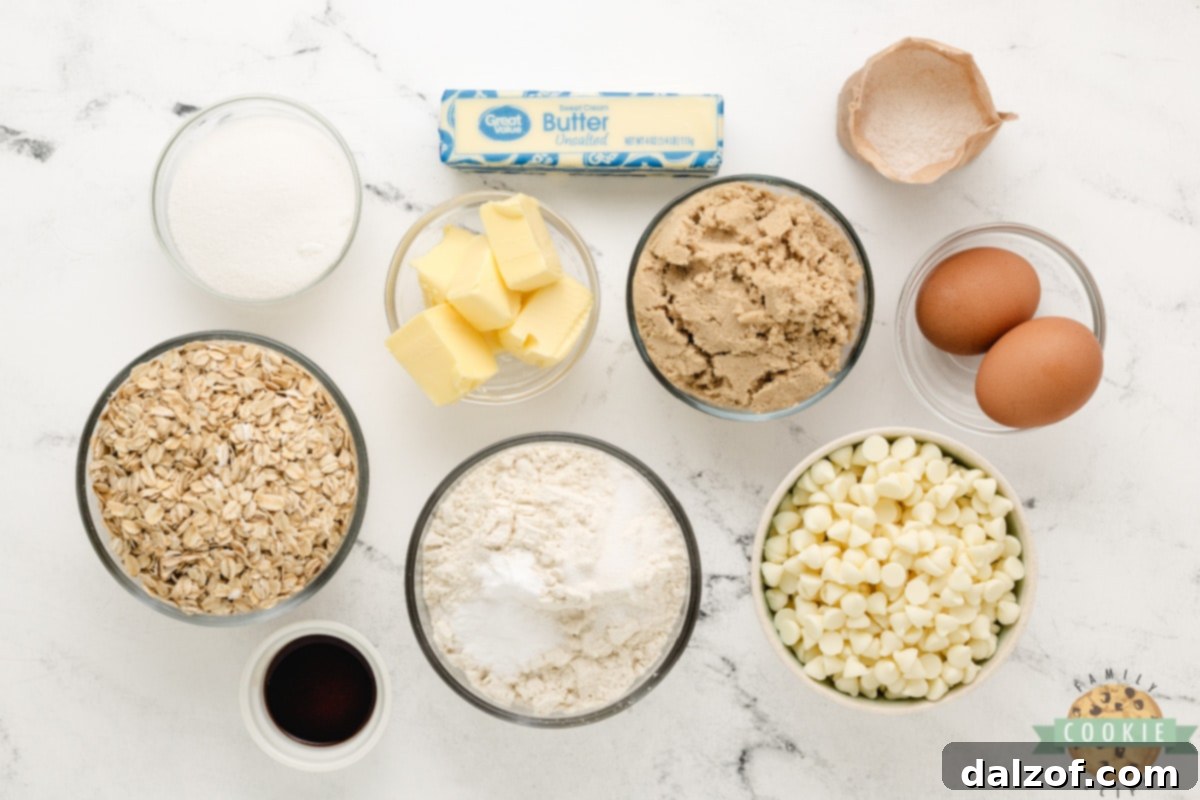
Every great cookie starts with quality ingredients. Here’s a closer look at what you’ll need for these irresistible Lemon Oatmeal Cookies and why each component is important:
- Butter: I typically use salted butter for its balanced flavor, but unsalted butter works perfectly well too – just add a pinch more salt to the dry ingredients if using unsalted. Ensure your butter is properly softened to room temperature. This is vital for successful creaming with the sugars, creating a light and airy dough.
- Butter-Flavored Shortening: While you can substitute this with an equal amount of butter, butter-flavored shortening is my secret weapon for truly soft cookies. It contributes to a wonderfully tender texture that’s difficult to achieve with butter alone, preventing the cookies from becoming too crisp. Regular shortening can also be used, but the butter flavor enhances the overall taste profile.
- Brown Sugar and Granulated Sugar: This dynamic duo provides both sweetness and texture. Light brown sugar adds moisture and a subtle caramel note, contributing to the cookies’ chewiness. Granulated sugar provides sweetness and helps with spreading and crisping the edges. Always make sure your brown sugar is fresh and soft; hard, dried-out brown sugar will affect the dough’s consistency and moisture.
- Eggs: Large eggs are the standard for most baking. They act as a binder, provide moisture, and help with the structure and richness of the cookies. Ensure they are also at room temperature for better emulsification with the butter and sugars.
- Vanilla Extract: A staple in almost any cookie recipe, vanilla extract deepens and rounds out the overall flavor profile. Opt for a high-quality pure vanilla extract for the best results; it truly makes a difference in the final taste.
- Instant Lemon Pudding Mix: This is the star ingredient that delivers that incredible burst of lemon flavor and contributes significantly to the cookies’ soft, moist texture. You’ll need a small 3.4 oz box of *instant* lemon pudding mix – do not prepare it as directed on the box; simply add the dry powder to the dough.
- All-Purpose Flour: Standard all-purpose flour provides the primary structure for the cookies. While I haven’t tried it, oat flour might offer an interesting gluten-free alternative, but all-purpose is tried and true for this recipe. Measure your flour by weight if possible, or use the spoon-and-level method to avoid adding too much.
- Baking Soda & Salt: Baking soda is our leavening agent, helping the cookies rise and achieve a tender crumb. Ensure yours is fresh and active for optimal results. Salt balances the sweetness and enhances all the other flavors, making them pop.
- Rolled Oats (Old-Fashioned): As discussed, I prefer old-fashioned oats for their distinct chewy texture. However, feel free to use quick oats for a denser cookie or a mix of both based on your preference.
- White Chocolate Chips: While optional, these creamy chips are highly recommended! Their sweetness and smooth texture complement the tart lemon flavor beautifully, adding another layer of indulgence to these already delicious cookies. If you’re feeling adventurous, you could also add a tablespoon of lemon zest for an extra citrus kick.
Crafting Your Delicious Lemon Oatmeal Cookies: A Step-by-Step Guide
Making these zesty lemon oatmeal cookies is a straightforward process, perfect for bakers of all skill levels. Follow these simple steps for a batch of incredibly flavorful and chewy treats.
Step 1: Prepare Your Baking Environment
Begin by preheating your oven to 350°F (175°C). While the oven heats, line a large baking sheet (or two, depending on your oven size) with parchment paper. This ensures easy cleanup and prevents your cookies from sticking.
Step 2: Cream Wet Ingredients and Sugars
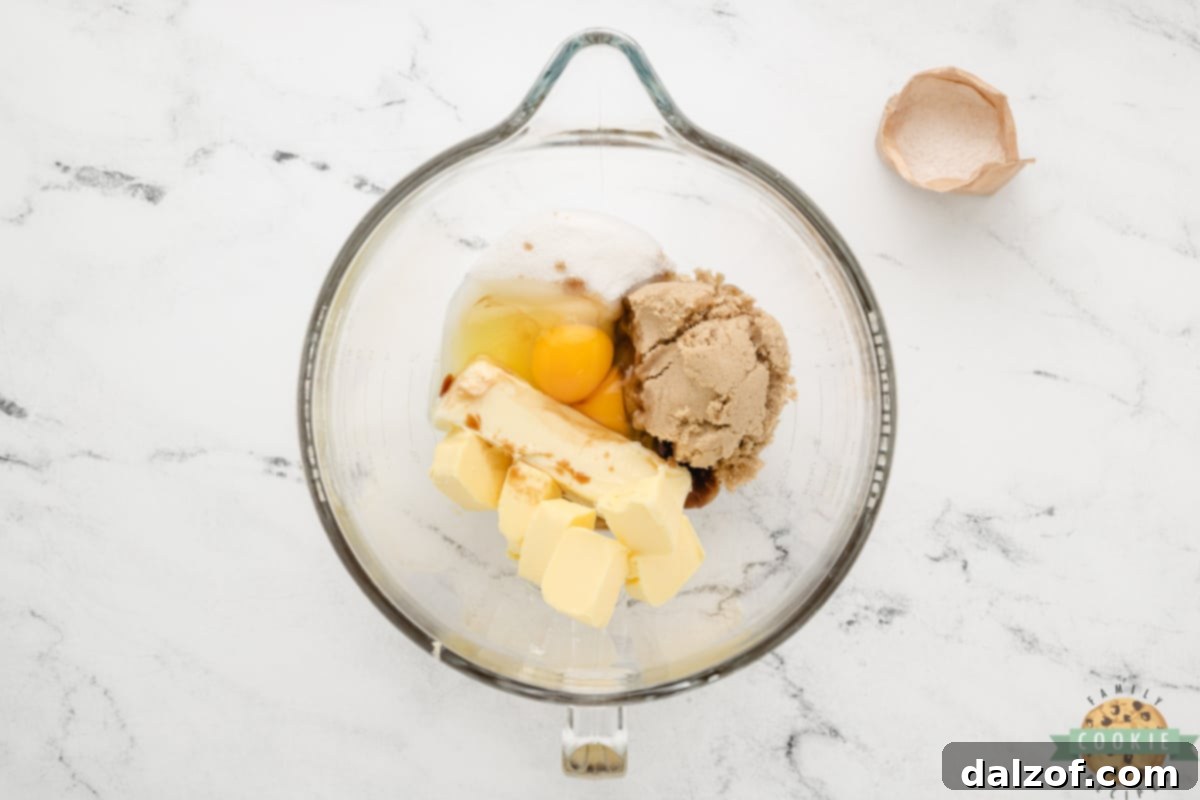
In a spacious mixing bowl, combine the softened butter, butter-flavored shortening, packed light brown sugar, granulated white sugar, large eggs, and vanilla extract. Using an electric mixer, cream these ingredients together on medium speed for at least 2-3 minutes. This prolonged creaming process is essential; it incorporates air, creating a light, fluffy mixture that contributes to the cookies’ soft, tender texture.
Step 3: Introduce the Lemon Pudding Mix
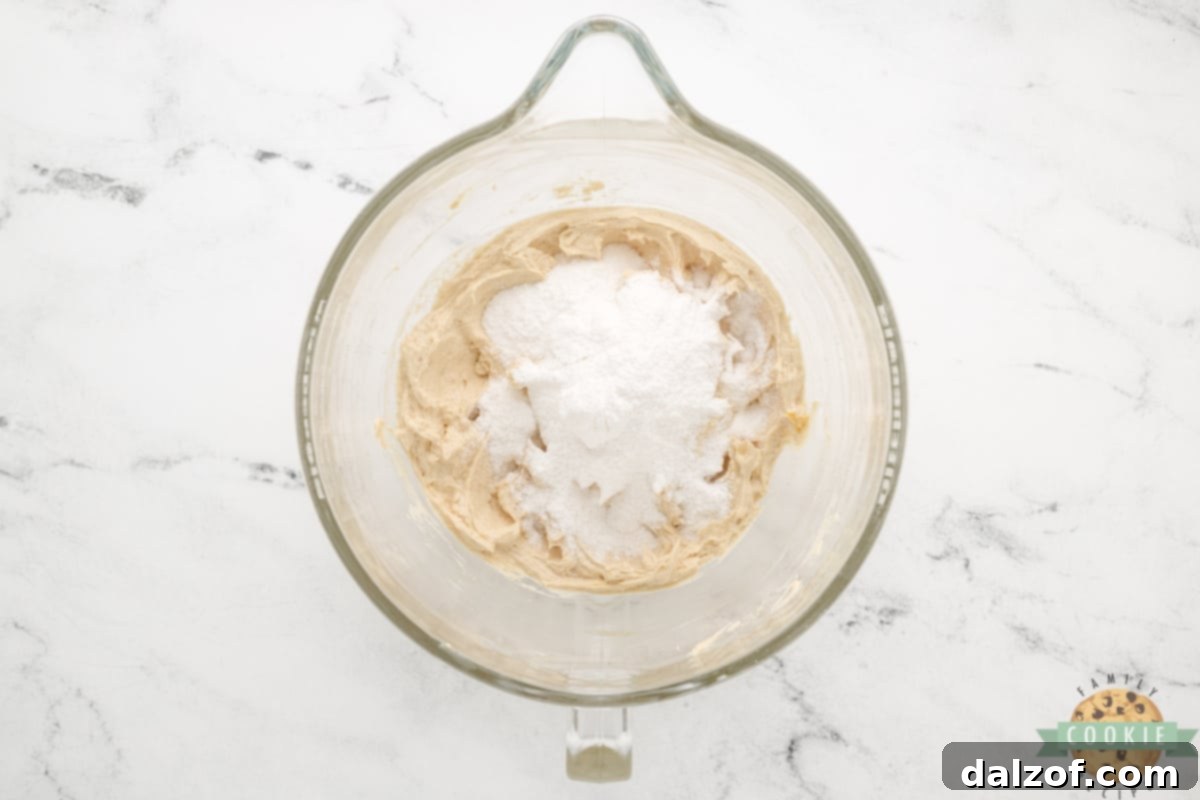
Once your wet ingredients are beautifully creamed, add the dry instant lemon pudding mix directly into the bowl. Mix again on low speed until the pudding mix is thoroughly incorporated into the dough. The pudding mix not only imparts a rich lemon flavor but also adds to the cookies’ incredible moisture and softness.
Step 4: Combine Dry Ingredients
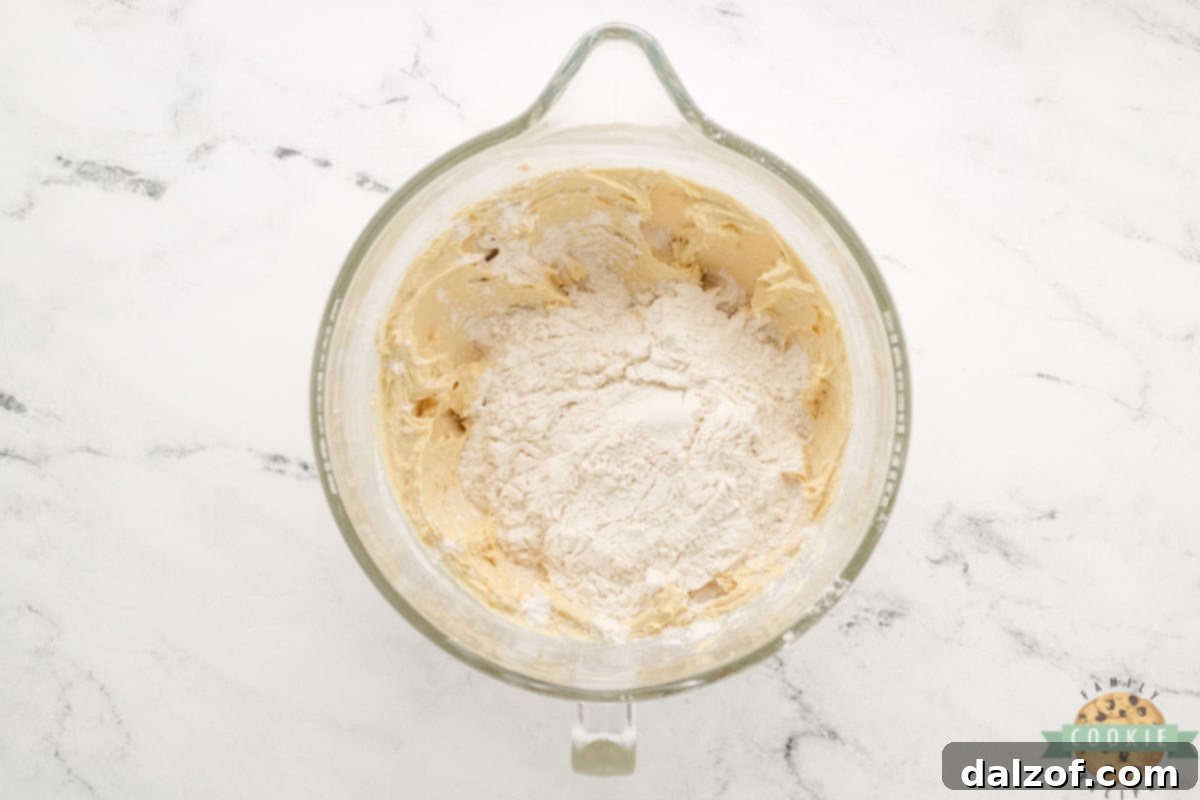
In a separate, medium-sized bowl, whisk together the all-purpose flour, baking soda, and salt. This ensures these dry ingredients are evenly distributed before being added to the wet mixture. Gradually add this dry ingredient mixture to the butter mixture, mixing on low speed until just combined. Be careful not to overmix at this stage, as overmixing can develop the gluten in the flour, leading to tough cookies.
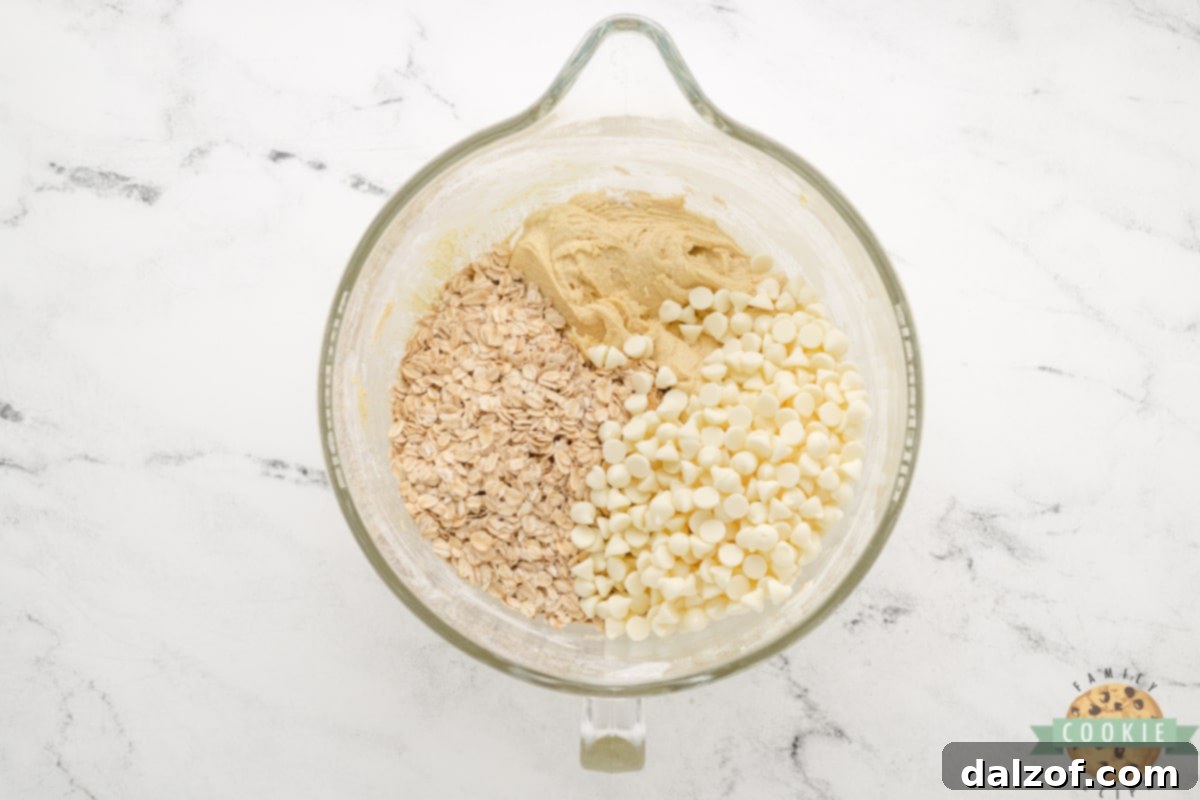
Step 5: Fold in Oats and White Chocolate Chips
Finally, add the rolled oats and white chocolate chips to the dough. Stir them in gently by hand with a spatula until they are just evenly distributed. Overmixing after adding the oats can break them down, affecting the desired chewy texture.
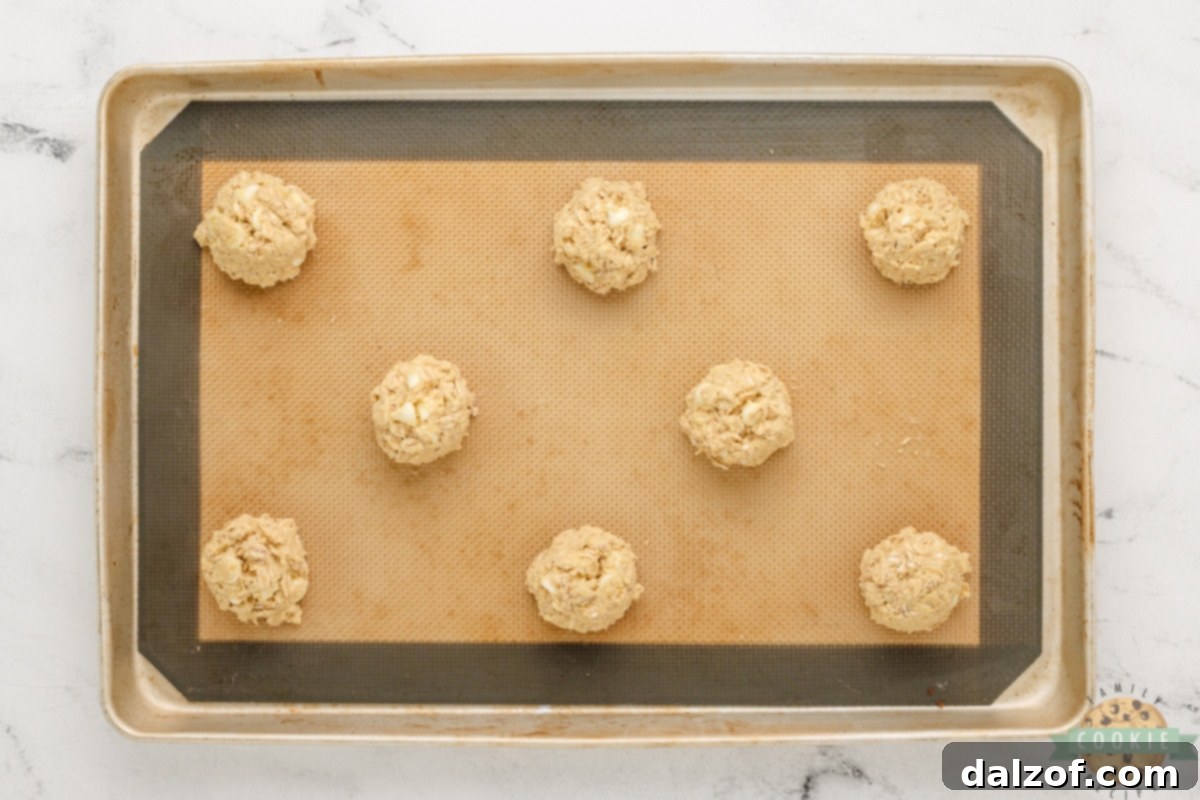
Step 6: Bake to Golden Perfection
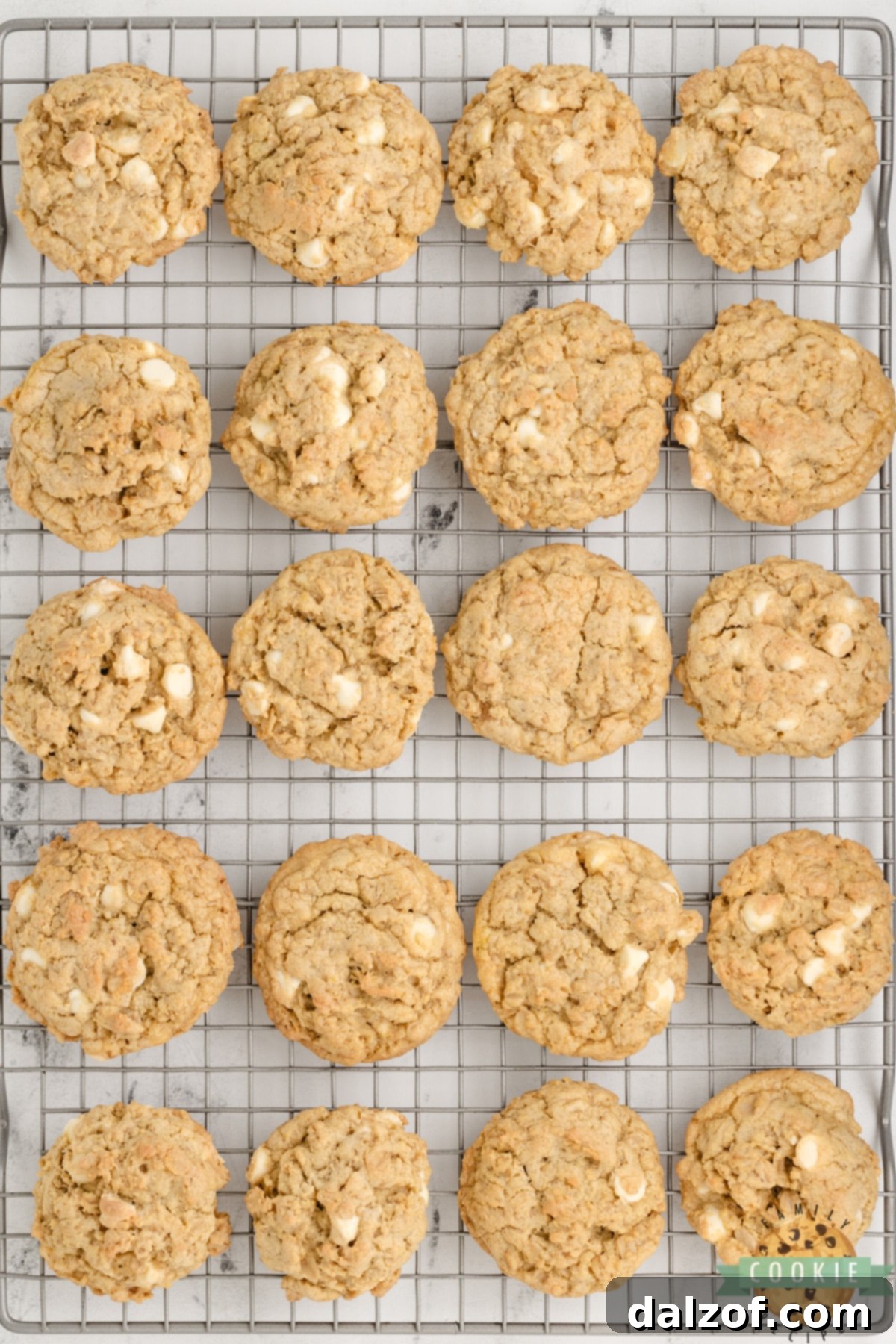
Using a cookie scoop or a rounded teaspoon, drop spoonfuls of cookie dough onto the prepared baking sheets, leaving about 2 inches between each cookie. Bake for 9-11 minutes, or until the edges are lightly golden and set, but the centers still look slightly soft. Remember our golden rule: do not overbake! The cookies will continue to firm up as they cool on the baking sheet.
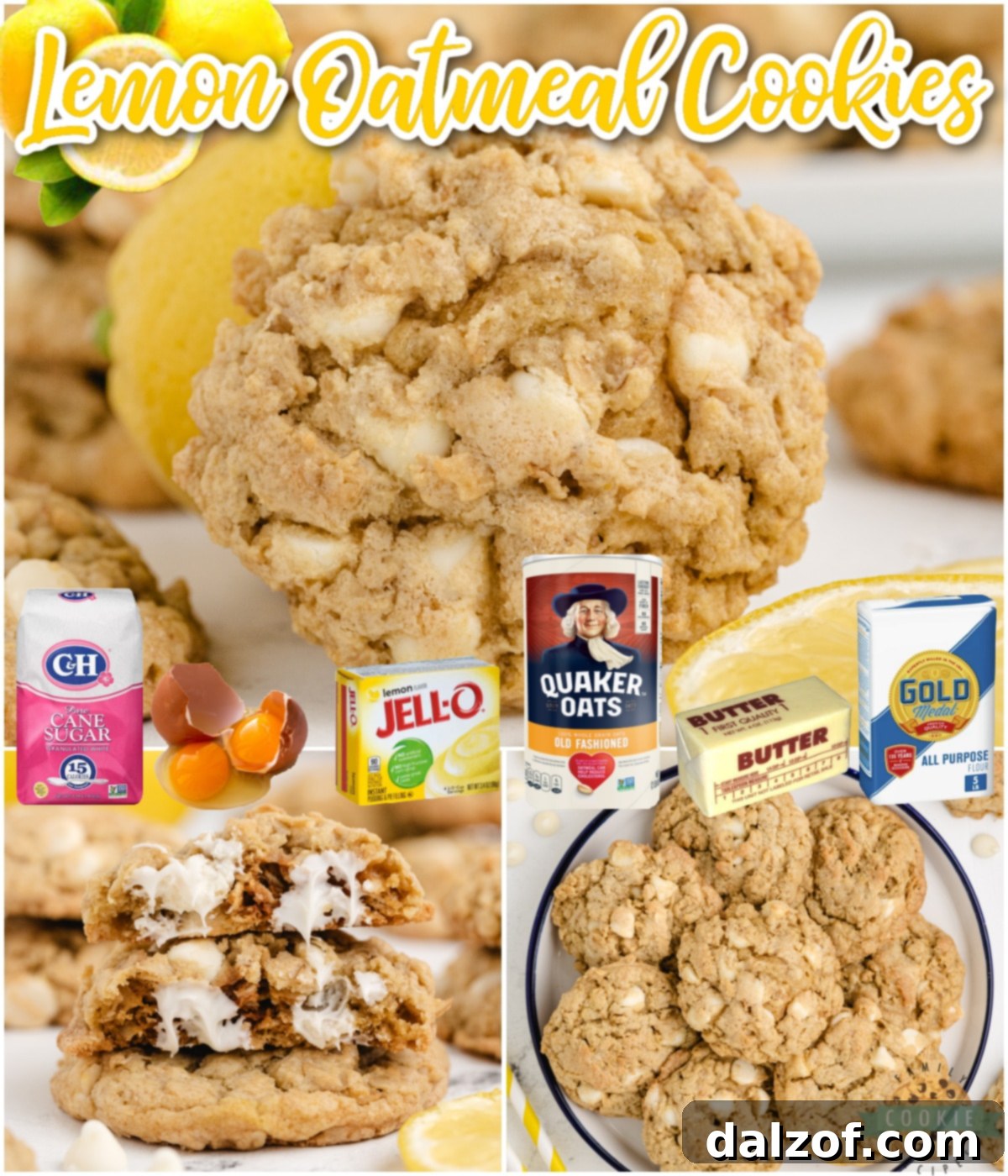

Lemon Oatmeal Cookies
Lemon Oatmeal Cookies are soft, chewy, and made with lemon pudding mix and white chocolate chips! An easy oatmeal cookie recipe with a ton of lemon flavor!
Rating: 5 out of 5 stars (2 votes)
Print Recipe | Pin Recipe | Rate This Recipe
Course: Cookies
Cuisine: Cookies
Keyword: Lemon Oatmeal Cookies
Prep Time: 10 minutes
Cook Time: 10 minutes
Servings: 36 cookies
Calories: 194 kcal
Author: Jessica & Nellie
Ingredients
- ½ cup butter, softened
- ½ cup butter-flavored shortening
- 1 cup packed light brown sugar
- ½ cup white sugar
- 2 large eggs
- 1 tsp vanilla extract
- 3.4 oz box of instant lemon pudding mix
- 1 ½ cups all-purpose flour
- 1 tsp baking soda
- ½ tsp salt
- 3 cups rolled oats (old-fashioned)
- 2 cups white chocolate chips (optional)
Instructions
- Preheat oven to 350°F (175°C). Line a baking sheet with parchment paper.
- In a large bowl, cream together the softened butter, butter-flavored shortening, brown sugar, white sugar, eggs, and vanilla until smooth and fluffy, about 2-3 minutes.
- Add in the dry instant lemon pudding mix and continue to mix until well combined, ensuring no lumps remain.
- In a separate bowl, combine the all-purpose flour, baking soda, and salt. Gradually add this dry mixture to the wet ingredients, mixing on low speed until just incorporated. Do not overmix.
- Gently stir in the rolled oats and white chocolate chips by hand until they are just evenly distributed throughout the dough.
- Drop rounded teaspoonfuls of cookie dough onto the prepared cookie sheets. Bake for 9-11 minutes, or until the edges are light golden and set, but the centers still look slightly soft. Remember to avoid overbaking to maintain a chewy texture!
Nutrition
Calories: 194kcal | Carbohydrates: 26g | Protein: 2g | Fat: 9g | Saturated Fat: 4g | Polyunsaturated Fat: 1g | Monounsaturated Fat: 3g | Trans Fat: 1g | Cholesterol: 18mg | Sodium: 114mg | Potassium: 71mg | Fiber: 1g | Sugar: 15g | Vitamin A: 95IU | Vitamin C: 1mg | Calcium: 32mg | Iron: 1mg
Tried this recipe? Mention @familycookierecipes or tag #familycookierecipes!
Frequently Asked Questions: Mastering Your Bake
How Do You Soften Butter to Room Temperature Perfectly?
Softened butter is paramount for most cookie recipes, especially when creaming with sugar. It allows for proper emulsification and air incorporation, leading to a tender crumb. The ideal way is to simply set your butter out on the counter for a few hours. However, life rarely allows for such foresight!
Here are a few tricks for softening butter in minutes without melting it:
- The Microwave Method (with caution): This is the fastest method, but it requires vigilance. Place a whole stick of butter (unwrapped from foil, if applicable) in your microwave. Microwave on a low power setting (or even defrost) for 5-7 seconds. Check its softness. If still very firm, repeat in 5-second intervals. The goal is pliable, not melted. If it starts to look glossy or greasy, it’s too warm.
- The Water Bath Method: Cut your butter into smaller cubes. Place them in a bowl. Fill another larger bowl with warm (not hot) water, and place the bowl with butter inside. Let it sit for 5-10 minutes, stirring occasionally, until softened.
- The Grating Method: For instant results, grate cold butter using a box grater. The small pieces will come to room temperature very quickly. This is excellent for when you’re in a real hurry.
- Pounding Method: Place the stick of butter between two sheets of parchment paper or plastic wrap. Gently pound it with a rolling pin until it’s flattened. This increases the surface area and speeds up softening.

Why Do My Oatmeal Cookies Burn on the Bottom but Remain Undercooked in the Middle?
This common baking conundrum is often attributed to your bakeware and technique. If your cookies consistently burn on the bottom while the centers lag behind, consider these factors:
- Dark-Colored Baking Sheets: Dark metal absorbs and retains more heat than lighter-colored pans, leading to faster, more intense browning on the bottom. If you use dark sheets, try reducing your oven temperature by 25°F (15°C) or significantly shorten your baking time. Lighter colored, heavy-gauge aluminum baking sheets are generally preferred for even baking.
- Excessive Cooking Spray: While cooking spray prevents sticking, using too much can act like a conductor, intensifying the heat on the bottom of your cookies and causing them to burn. For best results, I strongly recommend using silicone baking mats or parchment paper. These provide a naturally non-stick surface and promote more even heat distribution, eliminating the need for any cooking spray altogether.
- Oven Hot Spots: Ovens often have uneven heating. Rotate your baking sheets halfway through the baking time to ensure uniform cooking.
- Rack Position: Baking on the lowest rack can expose cookies to more direct heat from the bottom element, increasing the risk of burning. Try baking your cookies on the middle rack for more balanced heat exposure.
Investing in good quality baking sheets and embracing silicone baking mats can truly transform your cookie-baking experience, ensuring perfectly golden bottoms and chewy centers every time.
Other Delicious Oatmeal Cookie Recipes We Adore!
If you’ve fallen in love with the comforting versatility of oatmeal cookies, you’re in for a treat! Explore some of our other cherished oatmeal cookie recipes that are sure to become new favorites:
- Fudgy Oatmeal Cookie Bars
- Homemade Oatmeal Cream Pies
- White Chocolate Cherry Oatmeal Cookies
- Oatmeal Chocolate Chip Cookie Bars
- Chocolate Chip Oatmeal Cookies
- Microwave Oatmeal Chocolate Chip Cookies
- Toffee Oatmeal Cookies
- Blackberry Oatmeal Cookies
- Best Oatmeal Raisin Cookies
- Peanut Butter Oatmeal Chocolate Chip Cookies
- Best Monster Cookies

These Lemon Oatmeal Cookies are more than just a dessert; they are a delightful escape, offering a harmonious blend of chewy oats, bright lemon zest, and sweet white chocolate. Whether you’re a long-time fan of oatmeal cookies or seeking a refreshing twist, this easy-to-follow recipe is guaranteed to impress. Perfect for sharing with loved ones or enjoying as a sweet, personal indulgence, these cookies are sure to become a cherished addition to your baking repertoire. Enjoy the process, and savor every zesty, chewy bite!