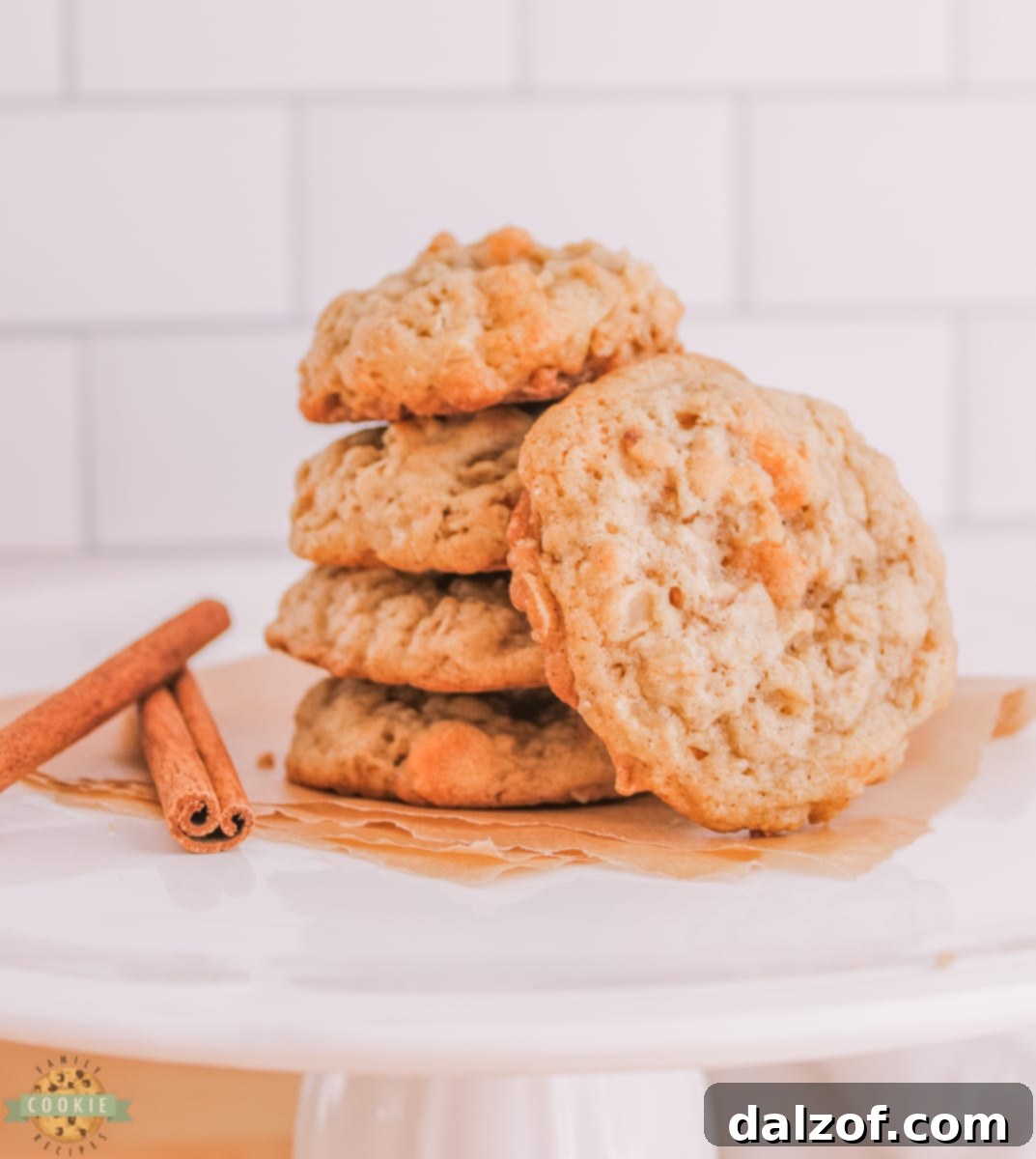
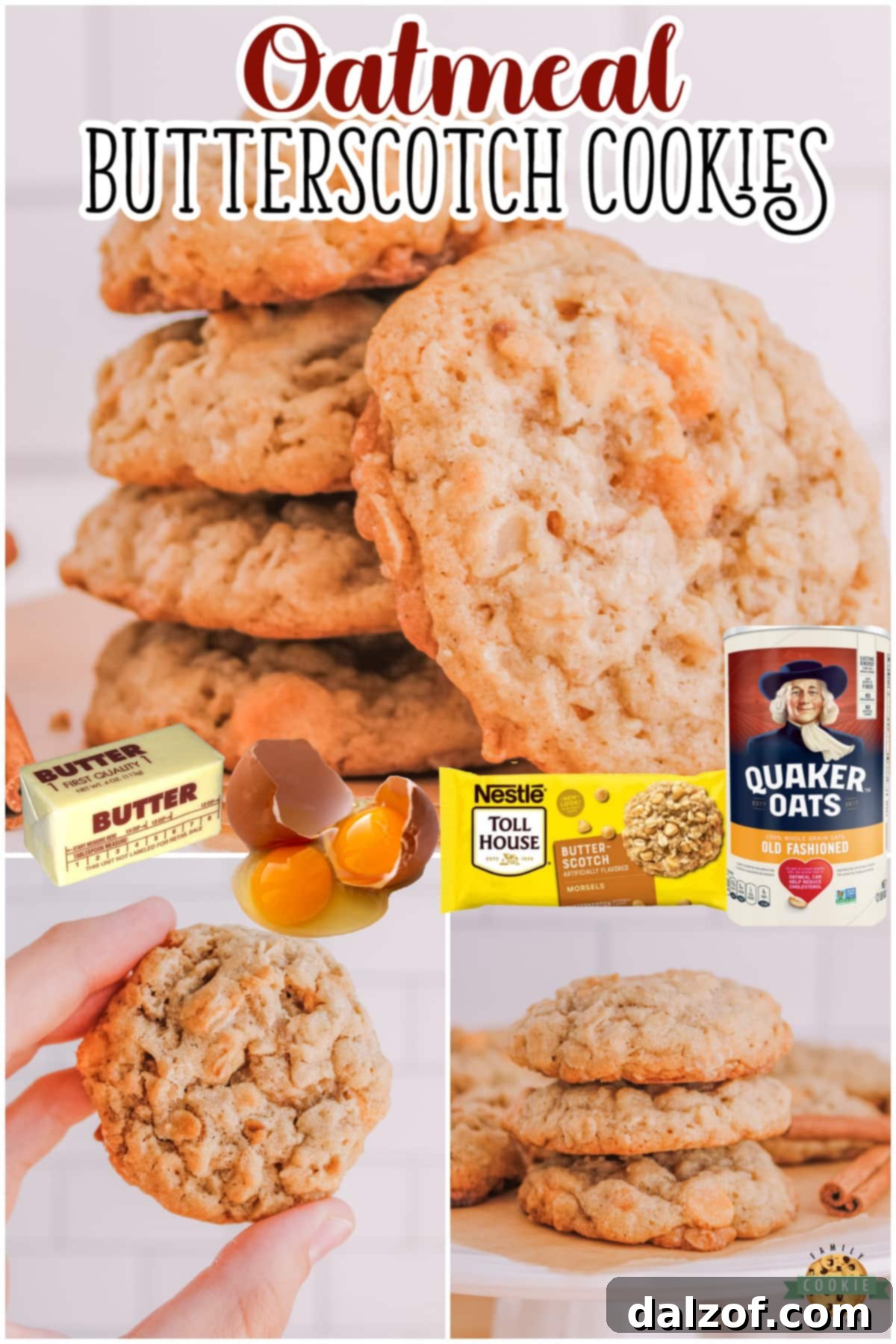
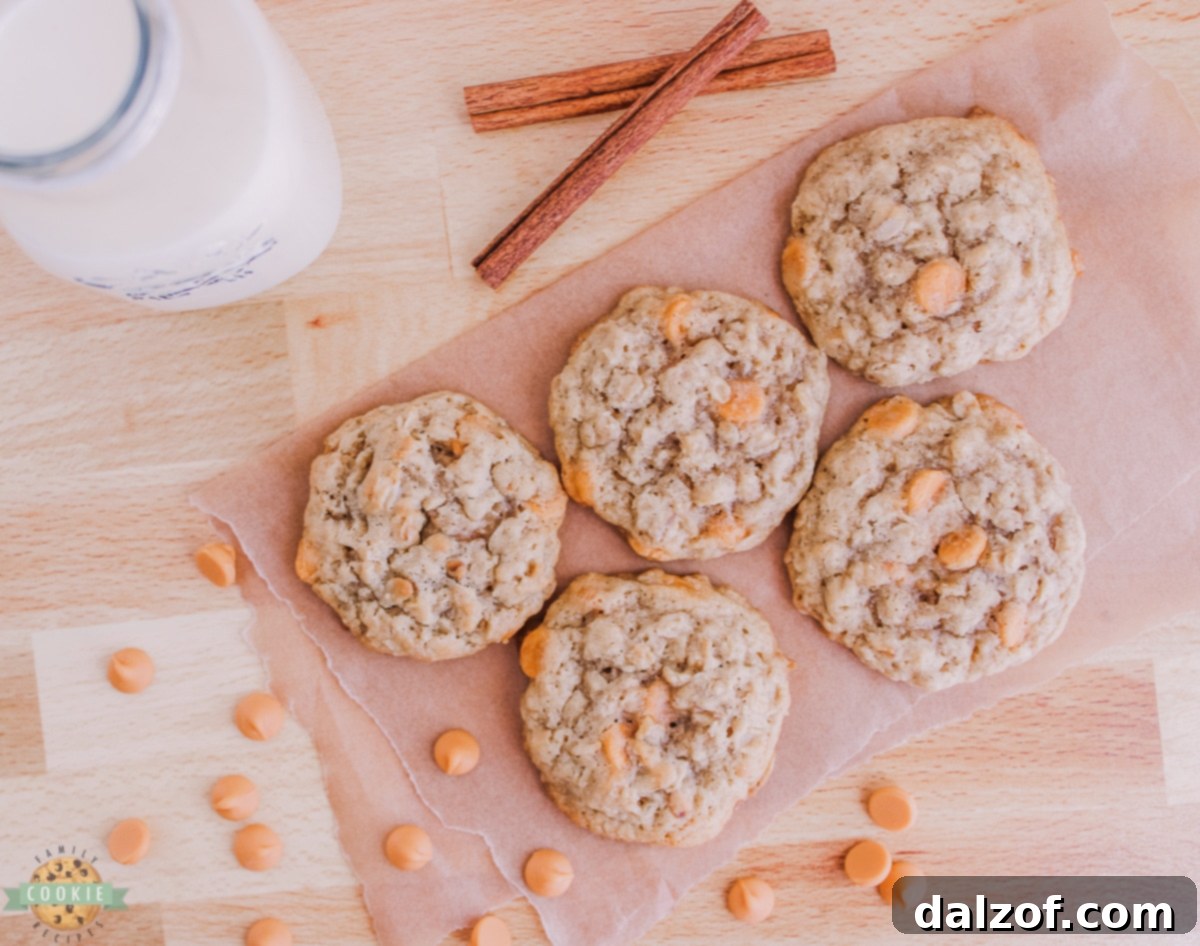
Oatmeal Butterscotch Cookies are a timeless classic, masterfully blending the inviting warmth of cinnamon, the distinct sweetness of butterscotch, and the satisfying chewiness of wholesome oats. These delectable treats are more than just a dessert; they are a buttery, perfectly spiced experience, each cookie boasting an incredible texture that delights with every bite. Whether you’re seeking a comforting snack for a quiet afternoon or an impressive addition to any gathering, these butterscotch oatmeal cookies are a perfect choice, embodying homemade goodness at its finest.
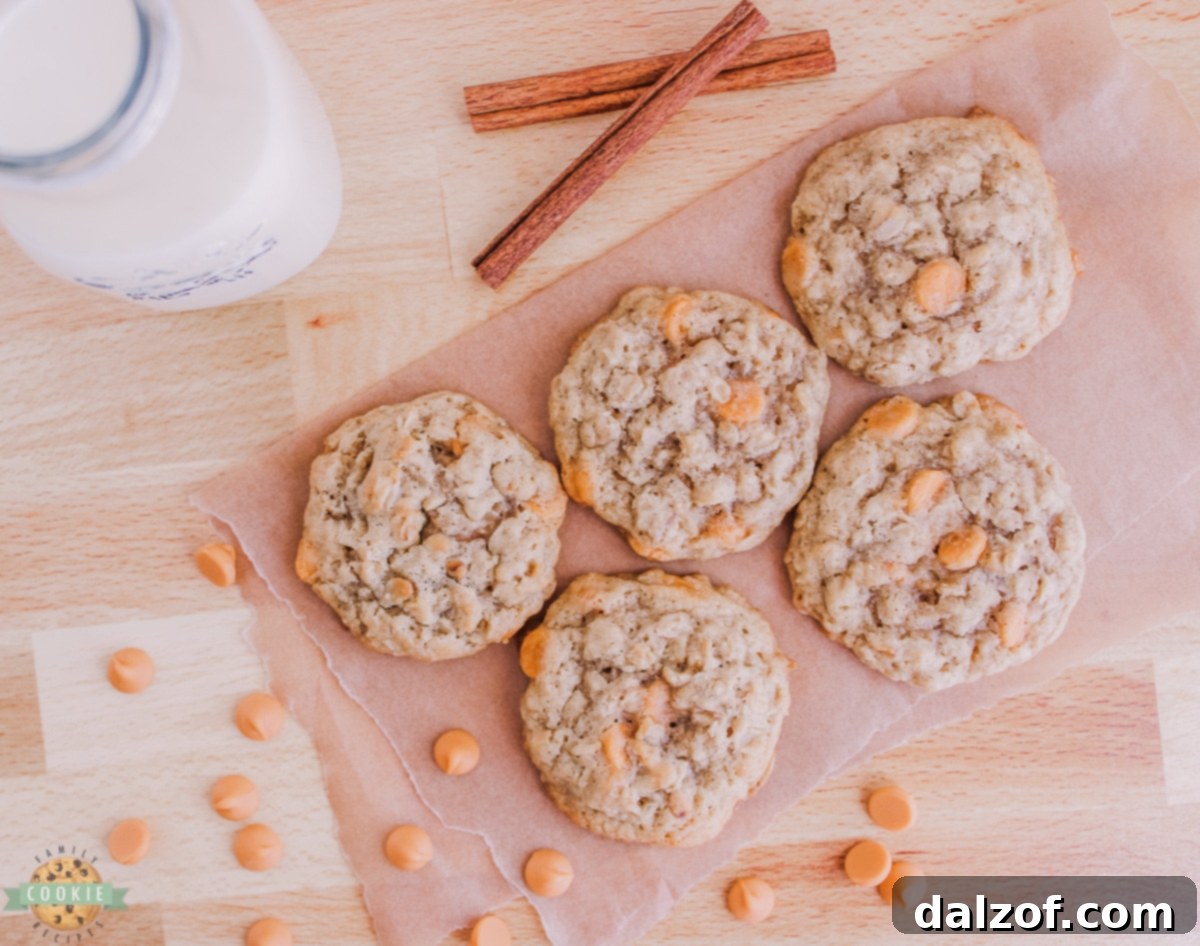
For those eager to discover a remarkably delicious and straightforward oatmeal scotchies recipe, your search ends here. This guide will walk you through creating a batch of these irresistible cookies with minimal fuss, using readily available ingredients. Prepare to captivate your taste buds with a symphony of flavors and textures, proving that exceptional homemade cookies are truly within everyone’s reach.
The Irresistible Appeal of Oatmeal Scotchie Cookies: Taste & Texture Unveiled
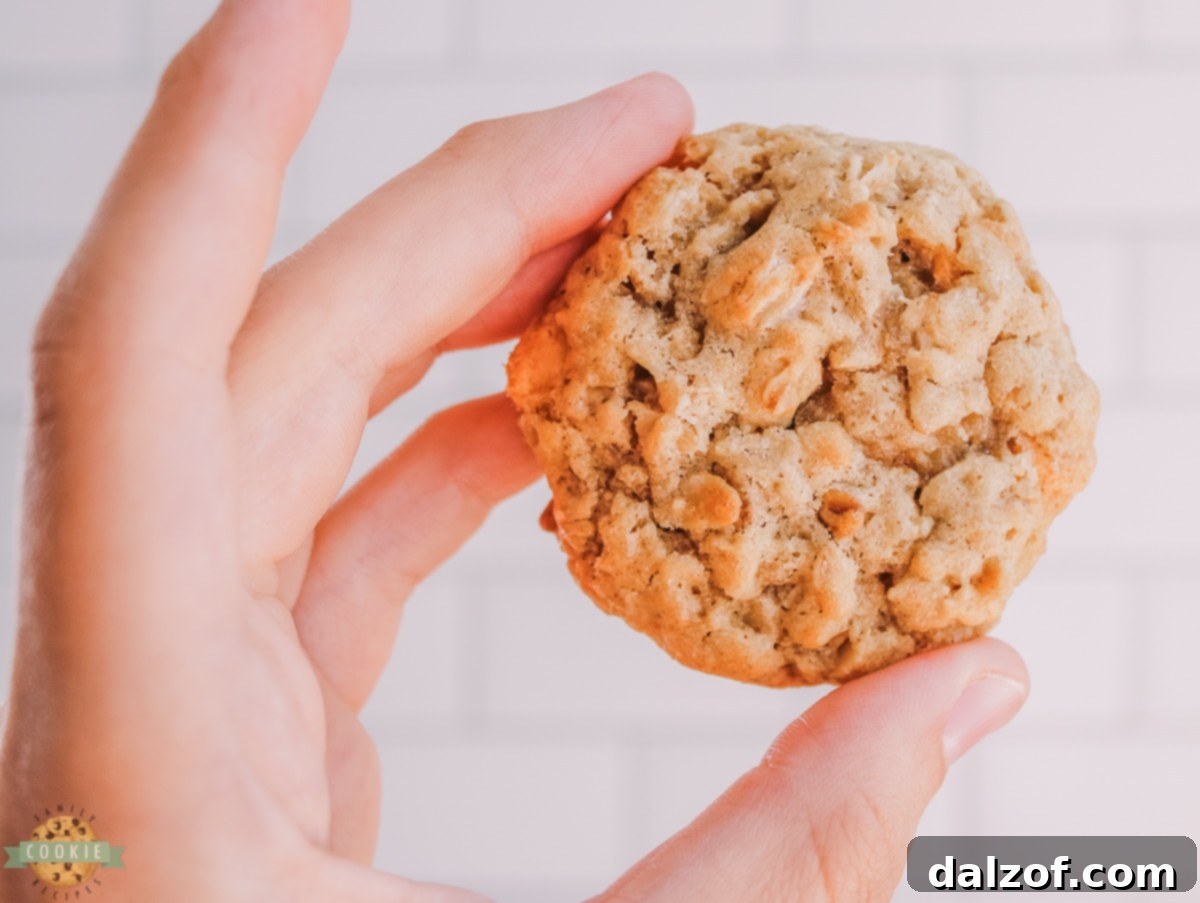
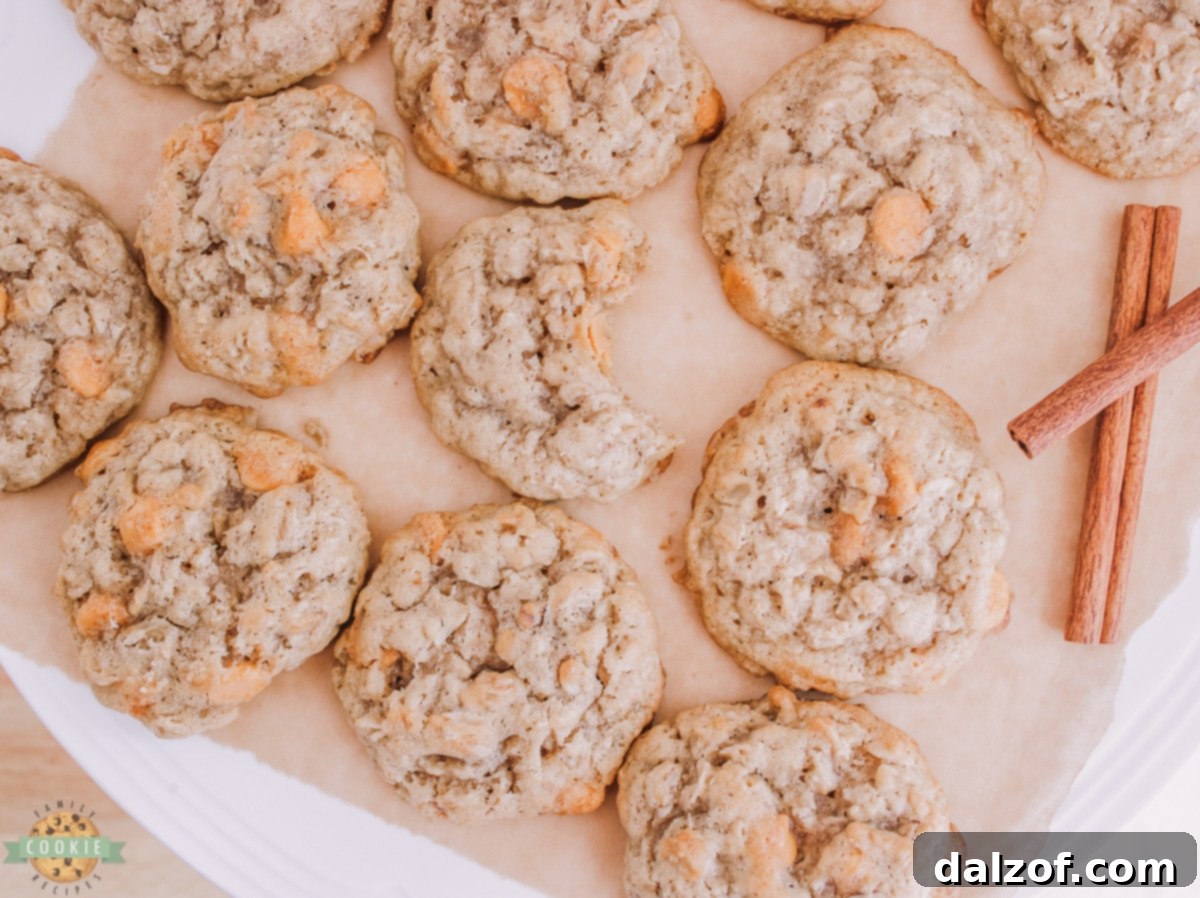
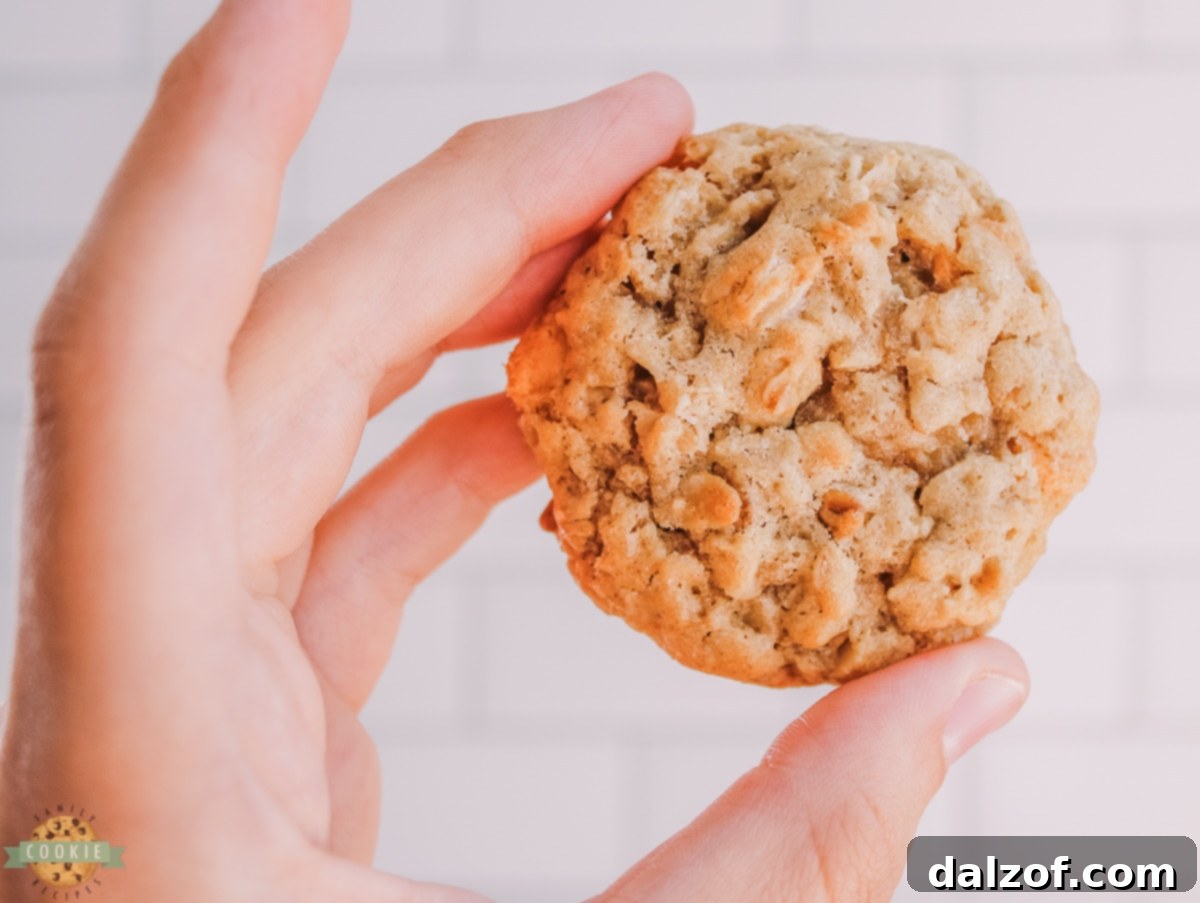
What sets these oatmeal butterscotch cookies apart is their harmonious balance of sensory delights. Each cookie offers a delightful contrast: a tender, chewy interior perfectly complemented by a subtly crispy edge. This exquisite texture is primarily due to the generous inclusion of rolled oats, which contribute a robust chewiness that makes every bite satisfying. Interspersed throughout are luscious butterscotch chips, melting slightly as they bake, adding pockets of delightful sweetness and a creamy, almost caramel-like depth that truly elevates the cookie experience.
The flavor profile is equally captivating. The inherent sweetness of the butterscotch chips finds its perfect counterpart in the rich, complex notes of brown sugar, thanks to its molasses content. This creates a beautifully balanced sweetness that avoids being cloying. A whisper of ground cinnamon infuses the cookies with a warm, inviting spice, evoking feelings of comfort and nostalgia. This subtle spice isn’t overpowering but acts as a wonderful accent, making these cookies feel incredibly cozy and perfect for any season, whether it’s a chilly autumn evening or a bright summer day.
These oatmeal butterscotch cookies are more than just a treat; they’re an experience. They are ideal for satisfying a sudden sweet craving, for sharing joy with friends and family during gatherings, or simply for enjoying a moment of blissful indulgence. The simplicity of the recipe, combined with the profound satisfaction they deliver, makes them a go-to choice for both seasoned bakers and newcomers to the kitchen.
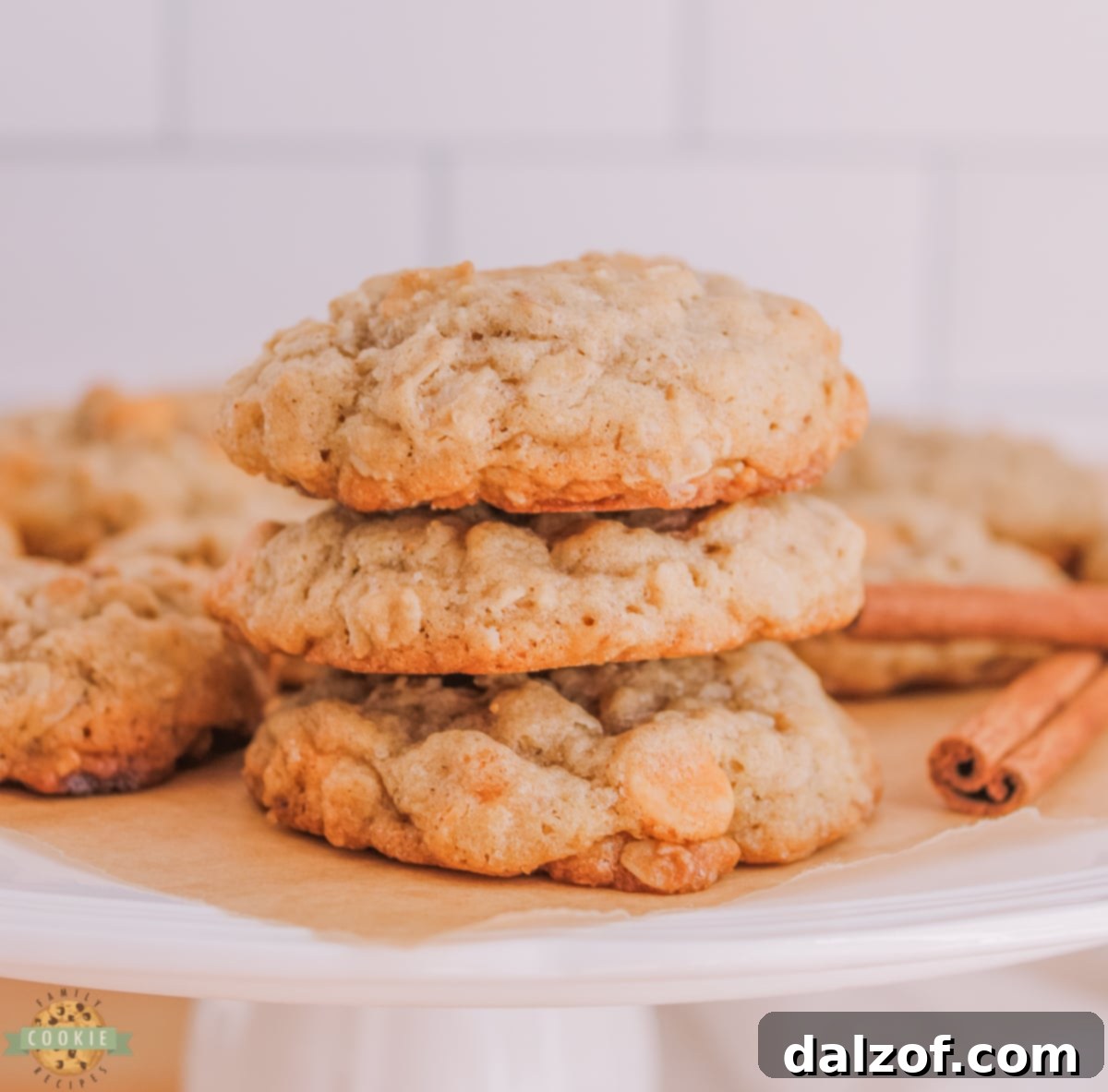
Why You’ll Fall in Love with These Butterscotch Oatmeal Cookies
There are countless reasons why these butterscotch cookies have earned their place as a beloved staple. Their ease of preparation and undeniable deliciousness make them a standout, promising a delightful baking experience and an even more delightful eating one.
- No Chilling Required: Quick & Convenient! Unlike many cookie recipes that demand hours of refrigeration for the dough, this recipe is incredibly efficient. Assuming your butter is already softened (we’ll share speedy tips below if it’s not!), you can transition from mixing bowl to warm, freshly baked cookies in mere minutes. This “no-chill” feature is a game-changer for spontaneous baking sessions or when you simply can’t wait to enjoy a homemade treat.
- Perfectly Soft and Chewy Texture: These aren’t just any oatmeal cookies; they are designed for optimal texture. You’ll find a delightful softness throughout, complemented by a satisfying chewiness from the rolled oats, and a subtle crispness around the edges. This trifecta of textures ensures that every bite is engaging and appealing, making them a universal crowd-pleaser for all ages.
- Made with Basic, Accessible Ingredients: Chances are, if you’re a regular baker, most of the ingredients for these cookies are already in your pantry. Beyond a bag of delightful butterscotch morsels, you’ll need common kitchen staples like flour, cinnamon, sugars, and butter. This reliance on simple, easy-to-find components makes the recipe approachable and budget-friendly, eliminating the need for special grocery runs.
- A Versatile Treat for Any Occasion: From a comforting accompaniment to your morning coffee to a delightful dessert at a family potluck or a festive holiday cookie exchange, these oatmeal butterscotch cookies fit seamlessly into any setting. Their comforting flavor profile and appealing texture ensure they are always a welcome addition.
- Heartwarming Homemade Goodness: There’s an undeniable charm and satisfaction that comes with baking something from scratch. These cookies deliver that warmth and comfort, filling your home with an inviting aroma and your belly with a delicious, lovingly made treat.
Essential Ingredients for Perfect Oatmeal Butterscotch Cookies
Creating truly exceptional oatmeal butterscotch cookies begins with understanding the role each ingredient plays. Here’s a detailed look at what you’ll need and why it’s important:
All-Purpose Flour: You will need 2 cups of all-purpose flour. Flour provides the fundamental structure for our cookies, giving them their shape and body. Ensure you measure it correctly by spooning it into your measuring cup and leveling it off, rather than scooping directly, to avoid a dense cookie.
Salt: A crucial 1 teaspoon of salt is added to every batch. While often overlooked, salt is a flavor enhancer, balancing the sweetness of the sugars and butterscotch and bringing out the depth of other ingredients, preventing the cookies from tasting bland.
Baking Soda: Using 1 teaspoon of baking soda is essential for leavening. This leavening agent reacts with the acidic brown sugar, producing carbon dioxide bubbles that help the cookies rise and puff up, contributing to their signature soft and chewy texture.
Ground Cinnamon: For that added warmth and classic spice, stir in ½ teaspoon of ground cinnamon. Cinnamon is a cornerstone of “scotchies” flavor, complementing the oats and butterscotch beautifully without overpowering them.
Unsalted Butter: You’ll need 1 cup (two sticks) of softened unsalted butter. The temperature of your butter is paramount. Room temperature butter (around 65°F or 18°C) creams beautifully with sugar, incorporating air and creating a light, fluffy base. Butter that is too warm will cause your cookies to spread excessively, while butter that is too cold will result in a tougher, thicker cookie. We recommend using unsalted butter to control the overall salt content in the recipe.
Granulated Sugar & Brown Sugar: A combination of ¾ cup each of granulated sugar and brown sugar is key. Granulated sugar contributes to the crispness around the edges and helps the cookies spread. Brown sugar, with its molasses content, is vital for moisture, chewiness, and adds a rich, caramelized depth of flavor that is truly distinctive to these cookies.
Large Eggs: Two large eggs help bind all the dough ingredients together, providing structure and moisture. They also contribute to the richness and tender crumb of the cookies. Ensure your eggs are at room temperature for better emulsion with the butter and sugars.
Vanilla Extract: Enhance all the amazing flavors by using 1 teaspoon of pure vanilla extract. Vanilla is a universal flavor enhancer in baking, adding a sweet, aromatic depth that marries beautifully with butterscotch and cinnamon.
Rolled Oats: For the characteristic chewy texture that defines these oatmeal scotchies, you will need 3 cups of old-fashioned rolled oats. Rolled oats hold their shape well during baking and provide a satisfying, hearty chewiness. Avoid instant or quick-cooking oats, which can result in a softer, less textured cookie, and steel-cut oats, which are too coarse.
Butterscotch Chips: These cookies wouldn’t be complete without 1 cup of creamy butterscotch chips. They are the star ingredient, providing bursts of their unique sweet, buttery, and slightly caramelized flavor and a lovely melt-in-your-mouth quality.
How to Masterfully Make Oatmeal Butterscotch Cookies
Follow these detailed steps to create a batch of perfect oatmeal butterscotch cookies that are sure to impress:
Step 1: Prep Your Workspace and Oven
Begin by preheating your oven to 350 degrees F (175 degrees C). This ensures your oven is at the correct temperature when your dough is ready to bake, leading to consistent results. Next, prepare your baking sheets: line them with parchment paper or a silicone baking mat. If you don’t have these, a light spray of non-stick cooking spray will suffice. Set the prepared sheets aside.
Step 2: Crafting the Cookie Dough
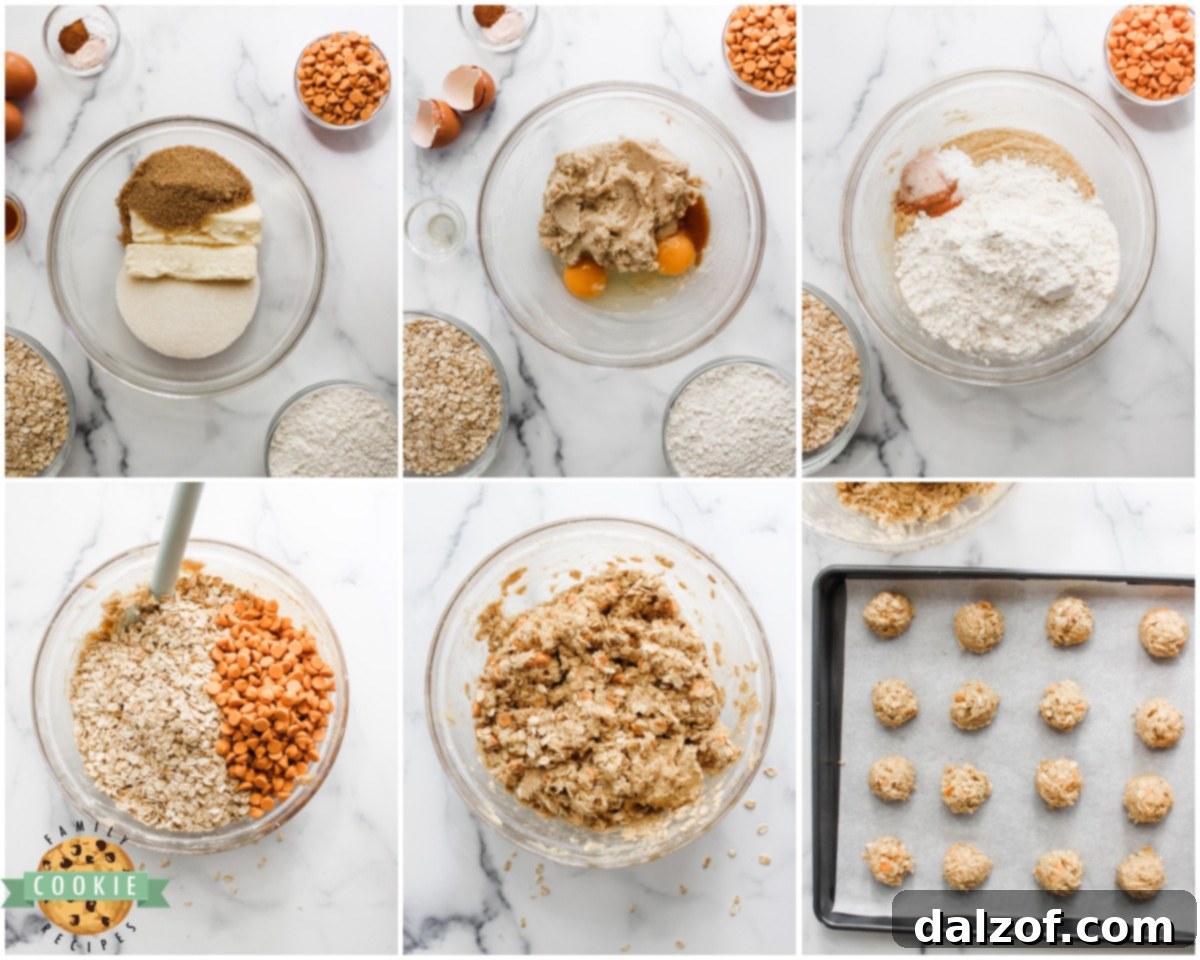
In a large mixing bowl, preferably using an electric mixer, start by creaming together the softened butter with both the granulated sugar and brown sugar. Beat on medium speed until the mixture is light, fluffy, and well combined, which typically takes about 2-3 minutes. This step is crucial for incorporating air, which contributes to the cookies’ tender texture.
Next, add the eggs one at a time, mixing well after each addition until fully incorporated. Follow with the vanilla extract, mixing until just combined. Scrape down the sides of the bowl as needed to ensure all ingredients are thoroughly blended.
In a separate bowl, whisk together the flour, salt, and baking soda. Gradually add these dry ingredients to the wet mixture, mixing on low speed until just combined. Be careful not to overmix at this stage, as overmixing can lead to tough cookies.
Finally, gently fold in the rolled oats and butterscotch chips using a spatula until they are evenly distributed throughout the dough. Again, avoid overmixing; stir just enough to incorporate them.
Step 3: Bake to Golden Perfection
Using a 1-inch cookie scoop or your hands, roll the dough into uniform balls and place them about 2 inches apart on your prepared baking sheets. Uniform sizing ensures even baking.
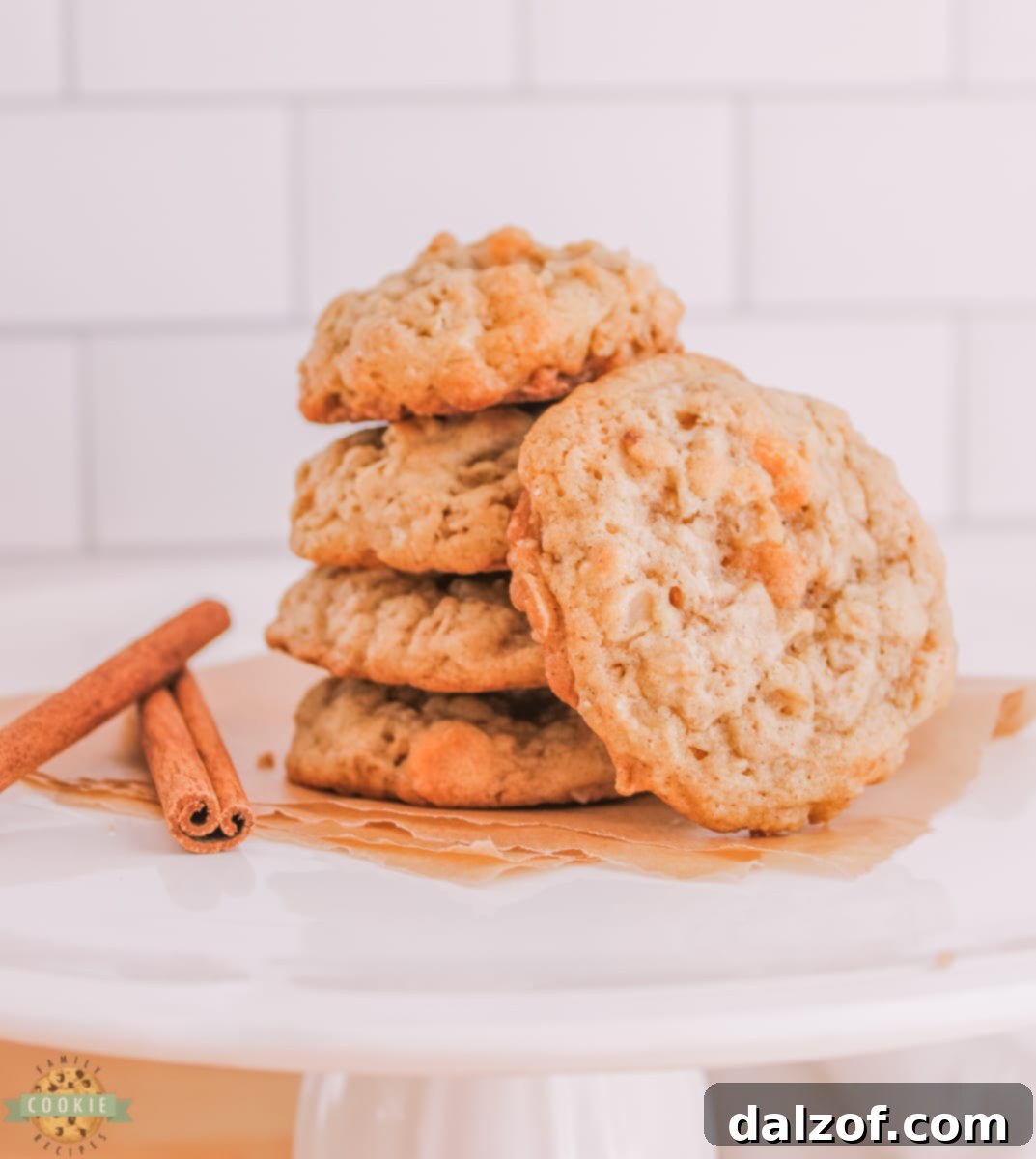
Place the baking sheet into the preheated oven and bake for 9-11 minutes. The cookies should be lightly golden brown around the edges, and the centers should still look slightly soft. Remember that cookies continue to cook slightly even after being removed from the oven.
Once baked, remove the sheets from the oven and let the cookies cool on the baking sheet for 5-10 minutes. This allows them to set up properly and prevents them from breaking when you transfer them. After this initial cooling, carefully transfer the cookies to a wire rack to cool completely. Serve immediately while still warm for the ultimate indulgence, or store for later enjoyment. Enjoy your perfect batch of oatmeal butterscotch cookies!
Pro Baking Tips for Perfect Oatmeal Scotchies
Achieving bakery-quality oatmeal butterscotch cookies at home is entirely possible with a few expert tips:
- Ingredient Temperature is Crucial: Ensure your butter and eggs are at proper room temperature. Softened butter creams better, incorporating more air for a tender cookie. Room temperature eggs emulsify more effectively, leading to a smoother, more uniform dough.
- Don’t Overmix the Dough: Once you add the dry ingredients, mix only until just combined. Overmixing develops gluten in the flour, which can result in tough, dense cookies. The same goes for folding in the oats and butterscotch chips – gentle is key.
- Measure Flour Accurately: The common mistake of scooping flour directly from the bag can add too much, making your cookies dry and crumbly. Instead, spoon flour into your measuring cup and level it off with a straight edge.
- Watch Your Oven, Not Just the Clock: Oven temperatures can vary significantly. Keep a close eye on your cookies during the last few minutes of baking. They are done when the edges are lightly golden and the centers appear just set but still slightly soft. They will continue to firm up as they cool.
- Use a Cookie Scoop for Uniformity: A cookie scoop ensures that all your cookies are roughly the same size. This leads to even baking, preventing some cookies from being underdone while others are overbaked.
- Patience During Cooling: Resist the urge to move the cookies too quickly from the baking sheet. Allowing them to cool on the hot sheet for 5-10 minutes helps them set and prevents them from falling apart when transferred to a cooling rack.
Delicious Variations to Customize Your Oatmeal Cookie Recipe
The inherent versatility of this oatmeal butterscotch cookie recipe is one of its greatest strengths. It provides a fantastic foundation for culinary creativity. Feel free to experiment and personalize your batch with these exciting variations:
- Introduce a Nutty Crunch: For those who love an added layer of texture and flavor, incorporate 1 cup of chopped nuts such as walnuts, pecans, or almonds into the dough with the butterscotch chips. Toasting the nuts lightly before adding them will deepen their flavor and add an extra dimension to your cookies.
- Swap for Classic Chocolate Chips: If butterscotch isn’t your preference, or you’re simply craving a different flavor profile, substitute the butterscotch chips with 1 cup of your favorite chocolate chips – milk, semi-sweet, or even dark chocolate work wonderfully. This variation yields a comforting chocolate chip oatmeal cookie with that delightful hint of cinnamon.
- Explore Different Spices: While cinnamon is essential, don’t hesitate to play with other warm spices. Try adding ½ teaspoon of ground ginger for a zesty, slightly spicy kick, or ½ teaspoon of ground nutmeg for a warm, sweet, and nutty aroma. A pinch of cloves or allspice could also add a festive touch.
- Make Them Gluten-Free Friendly: To accommodate dietary restrictions, this recipe can be easily adapted to be gluten-free. Simply swap the all-purpose flour for a high-quality gluten-free flour blend (ensure it contains xanthan gum, or add ½-1 teaspoon if it doesn’t, to help with binding). Additionally, make sure to use certified gluten-free rolled oats to avoid cross-contamination.
- Add Dried Fruits: For a chewy, fruity burst, fold in ½ to 1 cup of dried cranberries, raisins, chopped dried apricots, or even dried cherries along with the oats and butterscotch chips. This adds natural sweetness and a lovely chewiness.
- White Chocolate Butterscotch Bliss: For an even sweeter, creamier cookie, consider a mix of ½ cup butterscotch chips and ½ cup white chocolate chips. The combination creates a rich, decadent flavor profile.
- Add a Citrus Zest: For a bright, aromatic twist, grate in 1-2 teaspoons of orange or lemon zest when creaming the butter and sugars. The citrus oils will infuse the cookies with a refreshing aroma.
How Long Do Oatmeal Butterscotch Cookies Stay Fresh?
These delightful butterscotch cookies are best enjoyed fresh, but they also store remarkably well, allowing you to savor their goodness for days or even months.
For short-term storage, allow the cookies to cool completely before placing them in an airtight container. Stored at room temperature, they will remain fresh and delicious for up to 3-5 days. While they are still perfectly edible beyond this period, their peak freshness in terms of softness and chewiness is within the first few days.
If you’re looking to extend their shelf life significantly, these cookies freeze beautifully for up to 3 months. To freeze, ensure the cookies are entirely cool. Place them in a single layer on a baking sheet and flash freeze for about 30 minutes, or until firm. This prevents them from sticking together. Then, transfer the frozen cookies to a freezer-safe airtight container or a heavy-duty freezer bag, layering them with parchment paper if desired. When you’re ready to enjoy them, simply remove the desired number of cookies from the freezer and let them thaw at room temperature for a few minutes until softened. They’ll taste almost as good as freshly baked!
What is the Best Way to Soften Butter Quickly?
Achieving perfectly softened, room-temperature butter (ideally around 65 degrees F or 18 degrees C) is a critical step for many baking recipes, especially cookies, as it directly impacts the texture. Softened butter creams smoothly with sugar, incorporating air for a light and tender dough. If you find yourself with cold butter and no time to wait, here are several quick methods to bring it to the ideal consistency without melting:
- The “Countertop Hour” Method: The simplest approach, if you have an hour to spare, is to simply leave your butter sticks on the kitchen counter. This natural warming allows it to reach the perfect consistency without any intervention.
- Slice and Warm: Cut your stick of butter into tablespoon-sized pieces. Arrange these pieces on a plate and let them sit at room temperature for about 10-15 minutes. The increased surface area will significantly speed up the softening process.
- Warm Glass Technique: This is a popular and effective trick. Warm an empty glass by filling it with hot water, letting it sit for a minute, then pouring out the water and drying the glass. Invert the warm glass over the stick(s) of butter on a plate. The trapped warmth will soften the butter gently in about 5-10 minutes.
- Warm Towel Method: Grab a clean kitchen towel, dampen it slightly, and warm it in the microwave for 20-30 seconds (it should be warm, not scorching hot). Wrap your butter sticks (still in their wrappers) in the warm towel for a few minutes.
- Microwave (with extreme caution): If you must use a microwave, do so with extreme care. Use the “defrost” setting or 10-20% power, and microwave in very short bursts (5-10 seconds) on a plate. Flip the butter between bursts. The goal is softened, not melted, butter. This method is risky as butter can go from solid to liquid very quickly.
Can I Use a Different Type of Oats in This Recipe?
For this specific oatmeal butterscotch cookie recipe, we strongly recommend sticking to **old-fashioned rolled oats**. They are truly the secret to achieving the ideal chewy texture without being overly tough or too soft.
- Quick-cooking oats (often labeled instant oats) are thinner and more processed, leading to a much softer, almost cake-like cookie with less distinct texture. While they can be used in a pinch, the result will differ significantly from the intended “chewy” profile.
- Steel-cut oats, on the other hand, are minimally processed and very hearty. If used in this recipe, they would make the cookies exceptionally chewy, possibly even tough, and might not cook through properly in the given baking time.
Rolled oats strike the perfect balance, providing that signature hearty chew and absorbing moisture without disintegrating, which is essential for these classic oatmeal scotchies.
How Does the Combination of Granulated and Brown Sugars Affect Cookie Texture?
The strategic use of both granulated and brown sugars is absolutely fundamental to achieving the perfect, coveted texture in these oatmeal butterscotch cookies. Each sugar plays a distinct, yet complementary, role:
- Granulated Sugar: This type of sugar contributes to the crispness around the edges of the cookies and helps them spread to the desired shape during baking. Its crystalline structure also adds stability to the dough.
- Brown Sugar: The molasses content in brown sugar is the key to moisture and chewiness. It retains more moisture than granulated sugar, resulting in a softer, chewier cookie center. The molasses also imparts a rich, deep, caramelized flavor that pairs exquisitely with the butterscotch and cinnamon.
By using equal parts of both sugars (¾ cup each in this recipe), we create a perfect synergy. The granulated sugar provides structure and a pleasant slight crispness, while the brown sugar ensures a wonderfully tender, moist, and flavorful interior. This balance is what gives these cookies their irresistible mouthfeel. To ensure this magic happens, make sure to cream both sugars thoroughly with the butter, allowing them to dissolve partially and blend into a light, fluffy mixture before adding other ingredients.
More Amazing Oatmeal Cookie Recipes to Try Soon:
- OATMEAL BANANA BREAKFAST COOKIES
- LEMON OATMEAL NO BAKE COOKIES
- RASPBERRY OATMEAL COOKIES
- PEANUT BUTTER OATMEAL M&M COOKIES
- OATMEAL WALNUT CHOCOLATE CHIP COOKIES
- S’MORES OATMEAL COOKIES
- OREO NO BAKE COOKIES
- CHOCOLATE CHIP COCONUT OATMEAL COOKIES
- APPLESAUCE OATMEAL COOKIES
- DOUBLE CHOCOLATE OATMEAL COOKIES
- COCONUT OATMEAL COOKIES
- BLUEBERRY OATMEAL COOKIES
- EGGNOG OATMEAL COOKIES
- LEMON OATMEAL COOKIES
- TRAIL MIX PEANUT BUTTER COOKIES
- FIVE CHIP PEANUT BUTTER OATMEAL COOKIES
- BANANA CHOCOLATE CHIP OATMEAL COOKIES
Oatmeal Butterscotch Cookies Recipe
These Oatmeal Butterscotch Cookies are a delightful treat, blending chewy oats, creamy butterscotch, and warm cinnamon into a buttery, well-spiced, and amazingly textured cookie. Simple to make, this recipe is perfect for both novice and expert bakers alike!
Course: Cookies, Dessert
Cuisine: American
Keyword: Oatmeal Butterscotch Cookies, Butterscotch Oatmeal Cookies, Oatmeal Scotchies
Prep Time: 10 minutes
Cook Time: 11 minutes
Total Time: 21 minutes
Yields: 40 cookies
Ingredients
- 2 cups all-purpose flour
- 1 tsp salt
- 1 tsp baking soda
- ½ tsp ground cinnamon
- 1 cup (2 sticks) unsalted butter, softened
- ¾ cup granulated sugar
- ¾ cup packed light brown sugar
- 2 large eggs, room temperature
- 1 tsp pure vanilla extract
- 3 cups old-fashioned rolled oats
- 1 cup butterscotch chips
Instructions
- Preparation: Preheat your oven to 350°F (175°C). Line a baking sheet with parchment paper or a silicone baking mat, or lightly grease it with non-stick cooking spray. Set aside.
- Cream Butter and Sugars: In a large mixing bowl, using an electric mixer, cream together the softened butter, granulated sugar, and brown sugar until light and fluffy, about 2-3 minutes.
- Add Wet Ingredients: Beat in the eggs one at a time, mixing well after each addition. Stir in the vanilla extract until just combined. Scrape down the sides of the bowl as needed.
- Combine Dry Ingredients: In a separate medium bowl, whisk together the flour, salt, baking soda, and cinnamon. Gradually add the dry ingredient mixture to the wet ingredients, mixing on low speed until just combined. Be careful not to overmix the dough.
- Fold in Oats & Chips: Gently fold in the rolled oats and butterscotch chips using a spatula until they are evenly distributed throughout the dough. Avoid overmixing.
- Scoop and Bake: Roll the dough into 1-inch-sized balls or use a cookie scoop for uniform size. Place the dough balls about 2 inches apart on the prepared baking sheets.
- Bake & Cool: Bake for 9-11 minutes, or until the edges are lightly golden and the centers are set but still look slightly soft. Remove from the oven and let the cookies cool on the baking sheet for 5-10 minutes before transferring them to a wire rack to cool completely. Serve immediately and enjoy!
Notes
- Store leftover oatmeal butterscotch cookies in an airtight container at room temperature for up to 3-5 days for best freshness.
- For longer storage, freeze cooled cookies in an airtight container or freezer bag for up to 3 months. Thaw at room temperature before serving.
Nutrition Information (Approximate per serving of 2 cookies)
Serving: 2 cookies | Calories: 137kcal | Carbohydrates: 21g | Protein: 2g | Fat: 5g | Saturated Fat: 3g | Polyunsaturated Fat: 0.4g | Monounsaturated Fat: 1g | Trans Fat: 0.2g | Cholesterol: 21mg | Sodium: 143mg | Potassium: 39mg | Fiber: 1g | Sugar: 11g | Vitamin A: 158IU | Vitamin C: 0.001mg | Calcium: 11mg | Iron: 1mg
These Oatmeal Butterscotch Cookies are a truly delightful indulgence, each cookie offering a perfect blend of buttery richness, warm spices, and an incredibly satisfying chewy texture. This butterscotch cookie recipe is straightforward to follow, making it an accessible and rewarding baking project for cooks of all skill levels. Dive into the comforting world of homemade cookies and let these oatmeal scotchies become a new family favorite!